
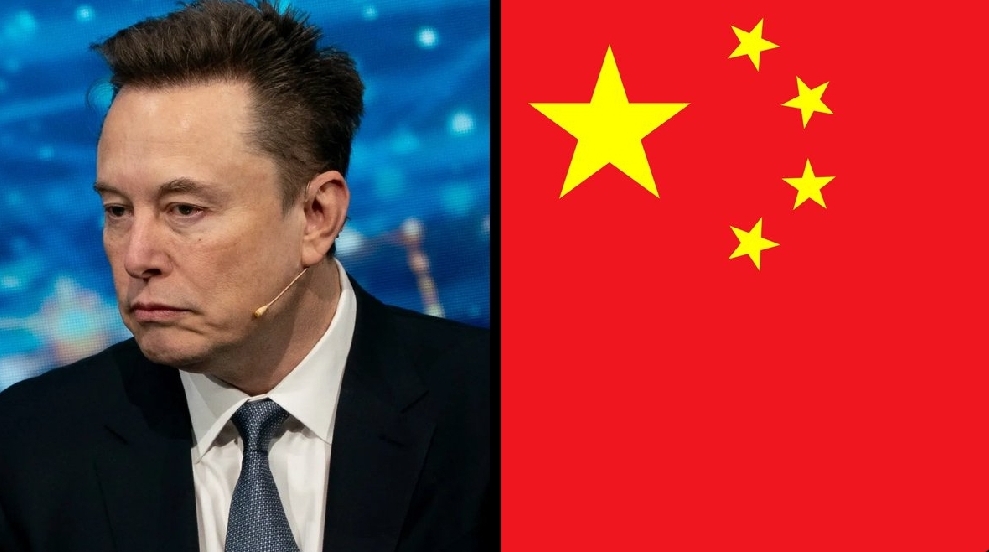
Billionaire entrepreneur Elon Musk has once again sparked global debate after warning that a Chinese invasion of Taiwan could severely disrupt the world’s access to advanced artificial intelligence chips. The warning touches on one of the most critical vulnerabilities in the modern technology industry: the extraordinary concentration of advanced semiconductor manufacturing in Taiwan.
Musk’s comments come at a time when AI has become the centerpiece of technological competition among governments and corporations. From ChatGPT-style systems and autonomous vehicles to military applications and scientific research, advanced AI depends heavily on cutting-edge semiconductor chips. Much of the world’s most advanced chip production is concentrated in Taiwan, particularly through the operations of Taiwan Semiconductor Manufacturing Company, which plays a central role in manufacturing chips used by companies such as Nvidia, Apple, AMD, and numerous AI developers. Demand for advanced semiconductors continues to surge as the AI boom accelerates.
The geopolitical implications are enormous. Taiwan sits at the center of growing tensions between China and the United States, with Beijing continuing to regard the island as part of its territory while Taiwan operates as a self-governing democracy. Any military conflict involving Taiwan could disrupt global supply chains on a scale far beyond previous crises. Economists have repeatedly warned that semiconductor shortages caused by conflict could impact everything from smartphones and automobiles to cloud computing and artificial intelligence infrastructure.
The concern is not merely theoretical. Technology leaders increasingly describe Taiwan as indispensable to the future of AI. Major industry figures continue to emphasize the island’s central role in producing the advanced chips that power modern computing and artificial intelligence systems.
Musk’s warning therefore reflects a broader anxiety within the technology sector. As governments race to build domestic semiconductor capabilities, many experts argue that the world’s dependence on a single geographic region for advanced chip production represents one of the greatest strategic risks facing the global economy. Whether tensions remain manageable or escalate further, Taiwan’s importance to the future of AI has never been clearer.
