
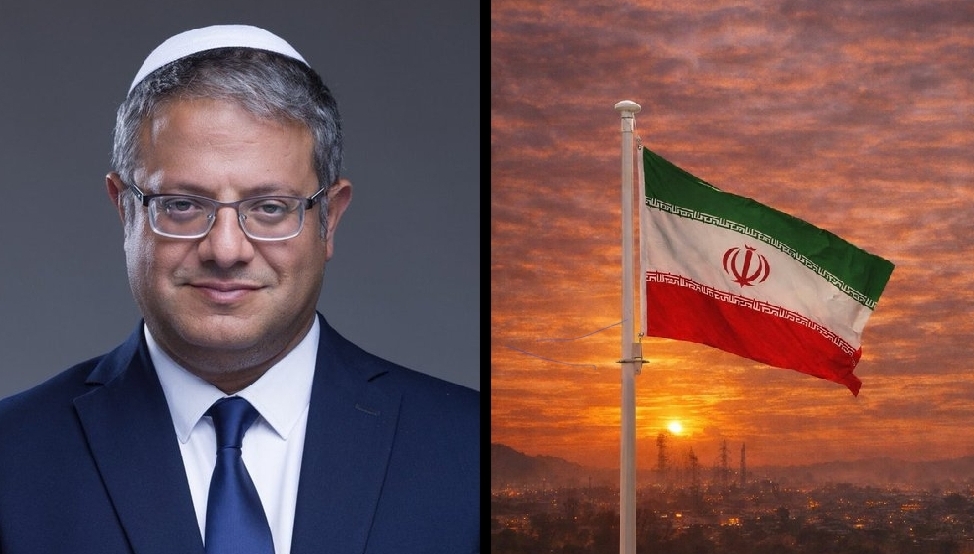
Tensions in the Middle East escalated dramatically after Israeli National Security Minister Itamar Ben-Gvir made a controversial statement declaring that “Tehran must burn tonight.” The remark came amid renewed hostilities between Israel and Iran, intensifying concerns that the region could be heading toward a broader and more dangerous confrontation.
The statement emerged following a sharp escalation in military activity across the region. Reports indicate that Iran launched missile attacks toward Israel after Israeli airstrikes targeted locations linked to Hezbollah in Beirut. The exchange marked one of the most serious challenges to a fragile ceasefire that had previously helped reduce direct confrontation between the two regional rivals. Multiple governments have since expressed concern that continued retaliation could trigger a wider conflict involving additional countries and armed groups.
Ben Gvir’s comments immediately attracted international attention because of their unusually aggressive tone. Known for his hardline positions on security matters, the minister has frequently advocated stronger military responses to perceived threats against Israel. However, critics argue that rhetoric of this nature risks inflaming already volatile tensions at a moment when diplomatic efforts are struggling to prevent further escalation.
The situation remains particularly sensitive because Iran and Israel are regarded as two of the Middle East’s most powerful military actors. Any significant expansion of hostilities between them could have consequences extending far beyond the region, including disruptions to global energy markets, international trade routes, and diplomatic relations. Recent missile exchanges and military operations have already prompted concerns about the stability of the broader Middle East.
As world leaders monitor developments closely, the focus now shifts to whether diplomatic channels can contain the crisis or whether further retaliatory actions will deepen the confrontation. With tensions already running high, statements from influential political figures are likely to receive heightened scrutiny as the region navigates one of its most uncertain periods in recent years.
