
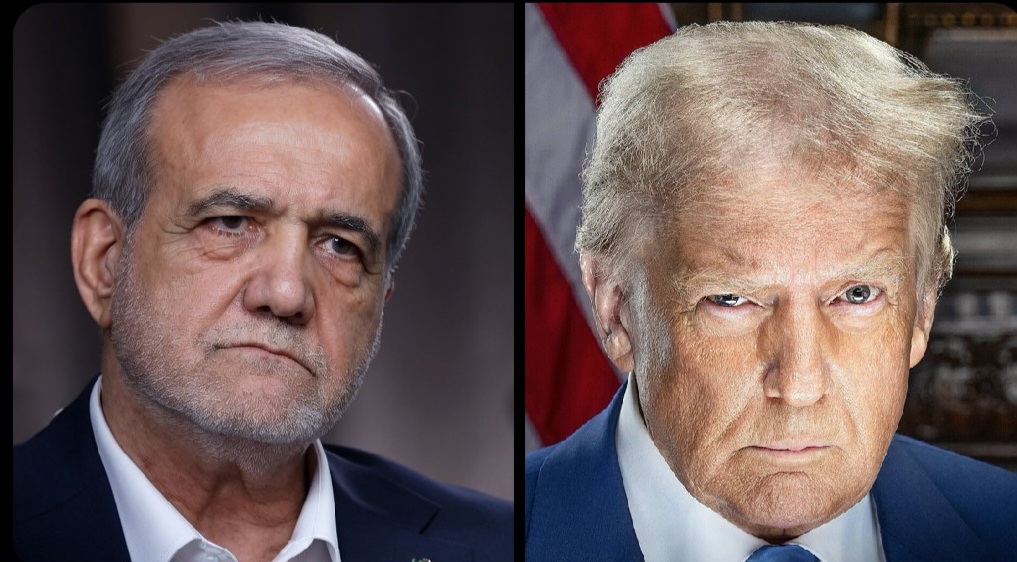
Iran’s leadership has sent a clear diplomatic message to the international community: engaging in dialogue does not equal capitulation. The statement from Iranian President Ebrahim Raisi comes at a moment of intense geopolitical scrutiny, renewed sanctions debates, and escalating regional tensions involving Western powers and Middle Eastern security dynamics. By emphasizing that discussions should not be interpreted as weakness, Tehran appears determined to reshape the narrative surrounding diplomacy with the West.
For years, negotiations involving Iran — especially regarding nuclear capabilities and regional security — have been framed internationally as tests of political leverage. Iranian officials, however, argue that dialogue is merely a strategic tool rather than a concession. Recent diplomatic exchanges have largely consisted of indirect messaging rather than formal negotiations, reinforcing Tehran’s position that sovereignty and national security remain non-negotiable priorities. �
Anadolu Ajansı
The statement reflects a deeper political calculation. Iran faces simultaneous internal economic pressures from sanctions and external security threats across the region. By publicly separating negotiation from surrender, Iranian leadership seeks to reassure domestic audiences while signaling resilience to foreign governments. Analysts interpret the rhetoric as part of a broader strategy: maintaining openness to diplomacy without appearing vulnerable in a high-stakes geopolitical environment.
Globally, the remark arrives during renewed discussions about conflict de-escalation and regional stability. Western policymakers often view negotiations as pathways to compromise, but Iran’s framing suggests it intends to negotiate from a position of resistance rather than concession. This distinction matters because perception frequently drives diplomatic outcomes as much as policy itself.
In essence, Iran’s message highlights the modern reality of international diplomacy — talks are no longer symbols of defeat but instruments of power projection. Whether this posture leads to renewed agreements or prolonged standoffs will depend largely on how global actors interpret the difference between dialogue and dominance in an increasingly polarized world order.
