
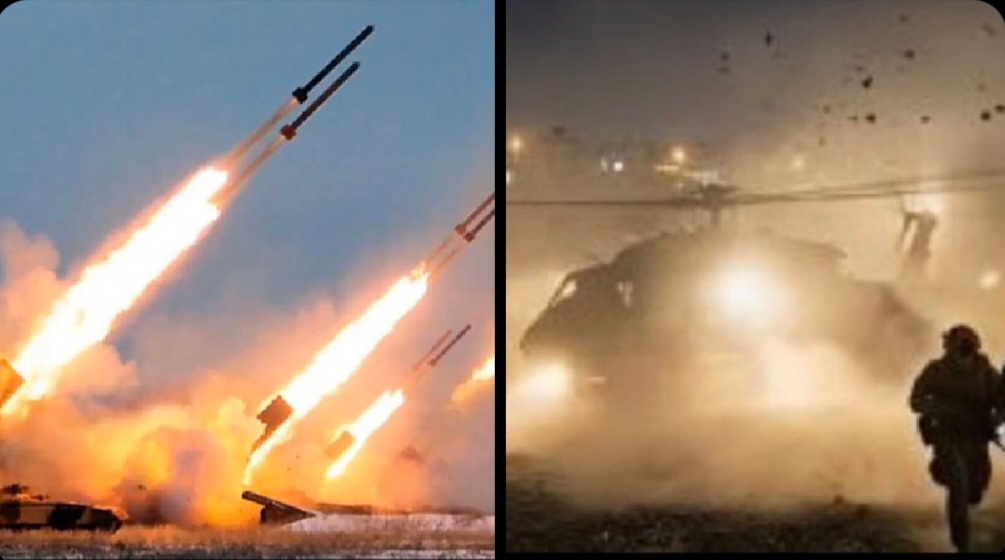
Tensions across the Middle East escalated sharply after reports emerged that Iran has repositioned its advanced “Fattah-1” hypersonic ballistic missiles closer to strategic locations near the Gulf, triggering heightened security alerts across neighboring states. Defense authorities in United Arab Emirates and Bahrain are reportedly operating at maximum readiness as fears of potential military confrontation intensify.
The Fattah-1 missile represents one of Iran’s most sophisticated weapons systems, designed to travel at hypersonic speeds while maneuvering unpredictably to evade missile defense systems. Military experts consider such technology particularly destabilizing because traditional interception mechanisms struggle to track or neutralize weapons moving at extreme velocity. The reported movement of these missiles comes amid broader regional tensions involving proxy conflicts, maritime security disputes, and ongoing geopolitical rivalry between Iran and Western-aligned Gulf nations.
Security analysts caution that missile repositioning does not necessarily confirm an imminent attack but serves as a powerful strategic signal. In modern deterrence doctrine, the visible deployment of advanced weaponry often functions as psychological pressure aimed at adversaries and negotiating partners. Nevertheless, the Gulf region remains highly sensitive to escalation due to its concentration of global energy infrastructure, international military bases, and vital shipping routes through nearby waterways.
Recent years have seen recurring cycles of tension followed by diplomatic de-escalation, yet the introduction of hypersonic technology raises new concerns about response times during crises. Unlike conventional missile threats, hypersonic systems drastically reduce decision windows for defense forces, increasing the risk of miscalculation or rapid retaliation.
As regional governments strengthen air defense systems and intelligence monitoring, global markets and international observers remain alert to developments that could influence oil prices, global trade routes, and international security alliances. For now, the Middle East stands in a familiar but dangerous position — balanced between deterrence and confrontation, where a single misstep could reshape regional stability overnight.
