
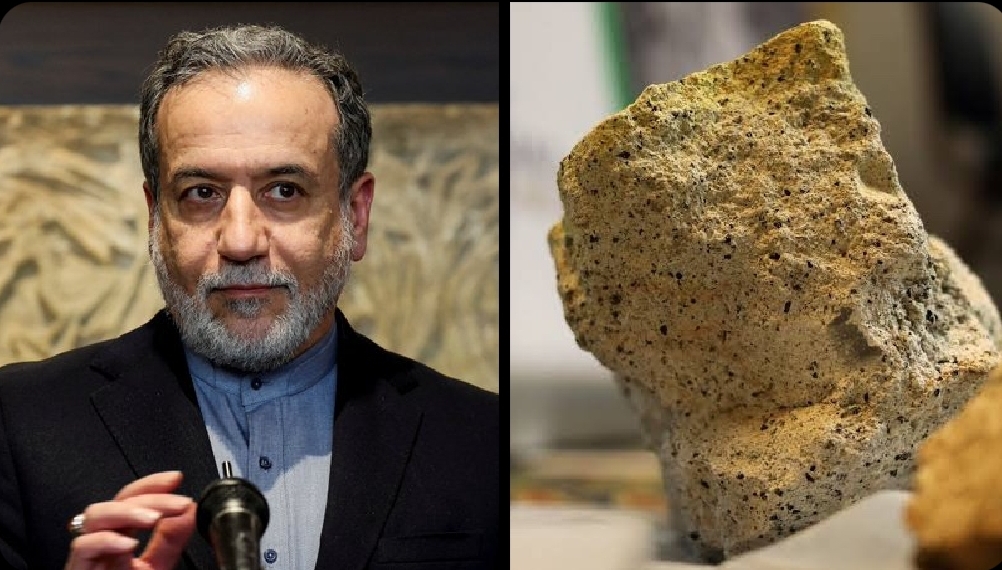
Tensions between Iran and the United States have escalated once again after Tehran rejected American demands to ship its enriched uranium stockpile abroad and declined renewed negotiations over its nuclear program.
The refusal highlights how fragile diplomatic engagement has become following years of sanctions, stalled negotiations, and competing security calculations across the Middle East. Iranian officials insist their nuclear program remains peaceful and argue that relinquishing enriched uranium without guaranteed sanctions relief would undermine national sovereignty and strategic leverage.
Washington, however, views Iran’s expanding enrichment capability as a growing proliferation risk, especially as uranium enrichment levels move closer to weapons-grade thresholds. The collapse of trust between both countries reflects a broader geopolitical deadlock where diplomacy and deterrence operate simultaneously. Regional actors, particularly Israel and Gulf states, continue to warn that unchecked nuclear development could trigger military escalation or spark a regional arms race.
For global markets and international security observers, the dispute is about more than nuclear science; it represents a test of whether diplomacy still has power in an increasingly fragmented world order. With negotiations frozen and rhetoric hardening, the standoff risks becoming one of the defining geopolitical flashpoints shaping global stability in the years ahead.
