
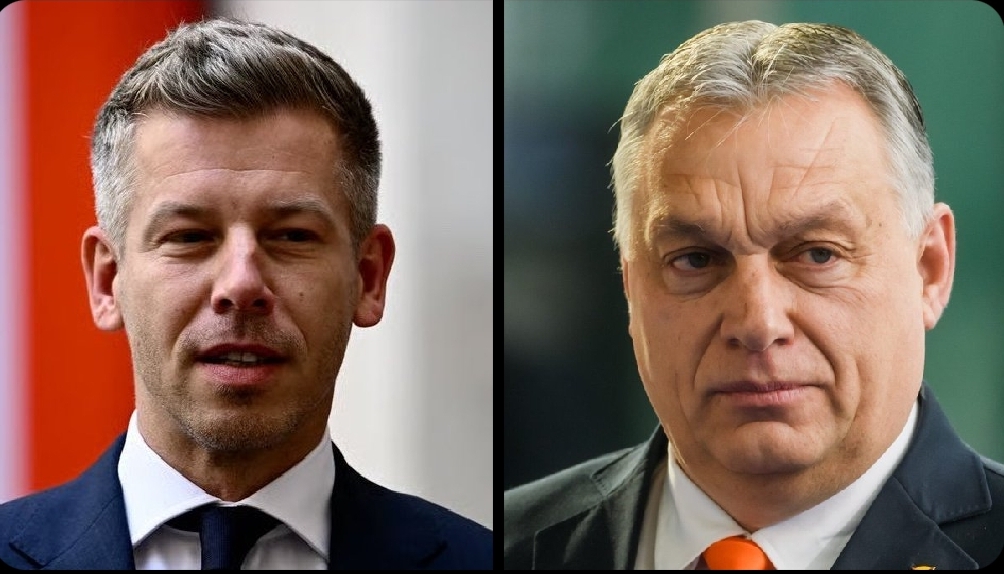
Europe witnessed one of its most dramatic political transitions in years as Péter Magyar officially assumed office as Prime Minister of Hungary, replacing long-time leader Viktor Orbán and ending a political dominance that lasted more than sixteen years. Magyar’s rise represents more than a routine leadership change; it signals a structural shift in Hungary’s democratic trajectory and its relationship with the European Union. His Tisza Party secured a sweeping parliamentary victory, winning a supermajority strong enough to reshape constitutional and institutional frameworks, something few European governments achieve in modern politics. Analysts describe the election as a public rejection of Orbán’s centralized governance model, which had drawn sustained criticism from EU institutions over judicial independence, media freedom, and rule-of-law concerns.
Magyar campaigned as a reformist outsider promising transparency, institutional renewal, and renewed European alignment, positioning himself as the face of a political reset rather than merely another opposition figure. The symbolism of his inauguration is powerful: Hungary, once labeled the EU’s most illiberal democracy, now attempts a democratic recalibration under a leader promising accountability and institutional balance. Yet expectations are immense. Magyar must simultaneously stabilize a polarized electorate, rebuild international trust, and manage economic pressures affecting much of Central Europe. The coming months will determine whether Hungary’s political shift becomes a lasting democratic transformation or simply a temporary swing in Europe’s ever-changing political landscape.
