
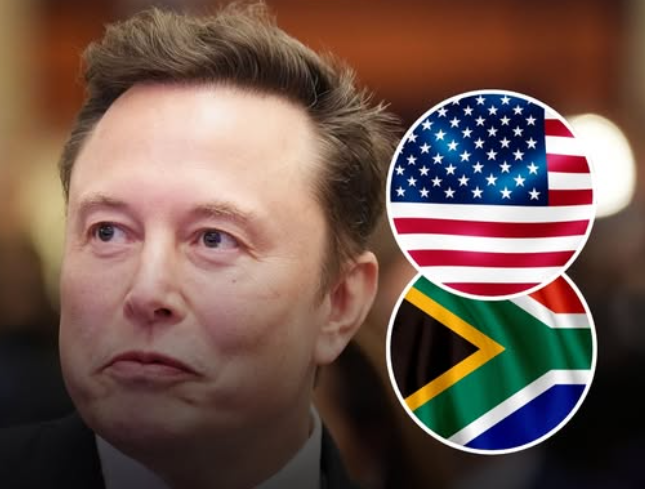
Elon Musk’s personal fortune has reportedly surged to an astonishing $839 billion, reigniting speculation that he could become the world’s first trillionaire while simultaneously reshaping conversations about Africa’s role in the future global economy. The dramatic growth in wealth reflects rising investor confidence across Musk-linked ventures, particularly electric vehicles, satellite connectivity, artificial intelligence, and renewable energy systems.
Central to this narrative is Tesla, which is pushing deeper into African markets through plans for a $5 billion manufacturing facility in Morocco alongside the launch of the continent’s first Tesla dealership. The expansion signals a strategic shift as Africa increasingly emerges as both a production hub and a rapidly growing consumer market for clean technology solutions. Analysts believe Tesla’s presence could accelerate electric vehicle adoption while stimulating local supply chains tied to battery minerals and renewable energy infrastructure.
At the same time, Musk’s satellite internet company Starlink faces regulatory hurdles in South Africa, where disputes have delayed a proposed $113 million investment. The situation highlights the complex balance between national regulatory frameworks and global technology expansion, particularly as African governments attempt to protect local industries while attracting transformative digital infrastructure projects.
Beyond wealth rankings, Musk’s growing influence is shaping debates around Africa’s technological future. Discussions increasingly center on how artificial intelligence deployment, decentralized energy systems, and high-speed connectivity could redefine economic growth across the continent. Supporters argue that large-scale investments from global innovators may help Africa leapfrog traditional development stages, while critics caution against over-reliance on foreign tech giants.
Whether or not Musk ultimately becomes the world’s first trillionaire, his expanding footprint across Africa suggests the continent is moving closer to the center of global innovation conversations — not merely as a market, but as a strategic frontier for the next era of technological transformation and wealth creation.
