
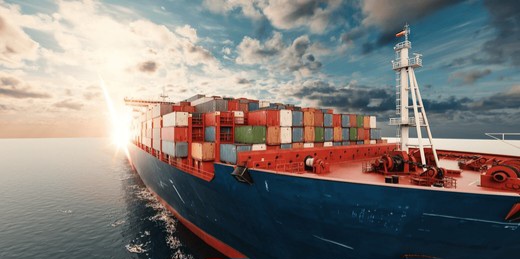
Global shipping routes have once again entered public discussion as instability around key maritime regions threatens international trade flow. Over 80% of world trade moves by sea, meaning even small disruptions can trigger major economic consequences across continents.
Shipping delays immediately affect fuel distribution, food supply, electronics manufacturing, and consumer goods availability. When cargo vessels slow down or reroute due to security risks, transportation costs increase — and those costs eventually reach consumers through higher prices.
Economists note that the world is still recovering from pandemic-era supply chain shocks. Businesses had only begun stabilizing when new geopolitical uncertainties emerged. For developing economies, rising freight costs can worsen inflation and strain already fragile household incomes.
The renewed focus on shipping security highlights how interconnected modern economies have become. A disruption thousands of miles away can influence supermarket prices, airline fares, and manufacturing output globally.
For many analysts, the situation serves as a reminder that globalization brings both opportunity and vulnerability. Stability in trade routes remains one of the most critical foundations of modern economic life.
