
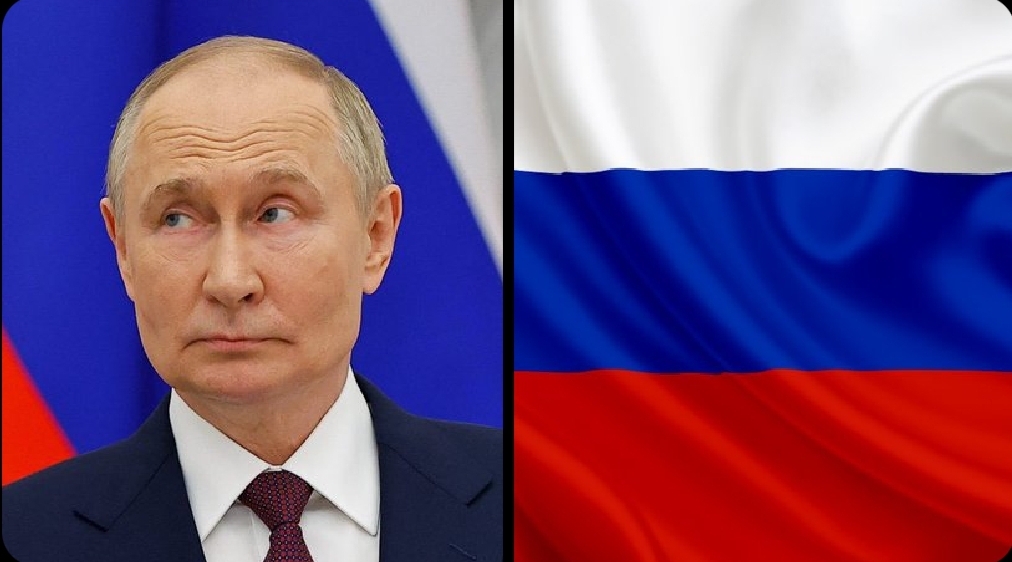
A newly passed law in Russia granting authority for military action to protect Russian citizens outside the country has triggered intense international attention and concern among geopolitical analysts.
The legislation expands the legal framework under which Moscow may justify overseas military operations involving Russian nationals or Russian-speaking populations abroad. Observers immediately compared the move to previous justifications used by the Kremlin during conflicts involving neighboring regions where ethnic Russians or Russian passport holders were present.
Supporters inside Russia argue that the law strengthens national responsibility toward citizens facing threats beyond national borders. Critics, however, warn that such broad legal language could provide justification for future interventions in disputed territories or politically unstable regions.
The timing of the law is particularly significant given ongoing tensions surrounding the Russia–Ukraine War and wider confrontations between Russia and Western powers. Security analysts believe the measure reflects Moscow’s evolving strategic doctrine, where legal mechanisms increasingly accompany military and geopolitical objectives.
The development is likely to heighten concerns among neighboring countries and NATO members already monitoring Russia’s expanding security posture with caution.
