
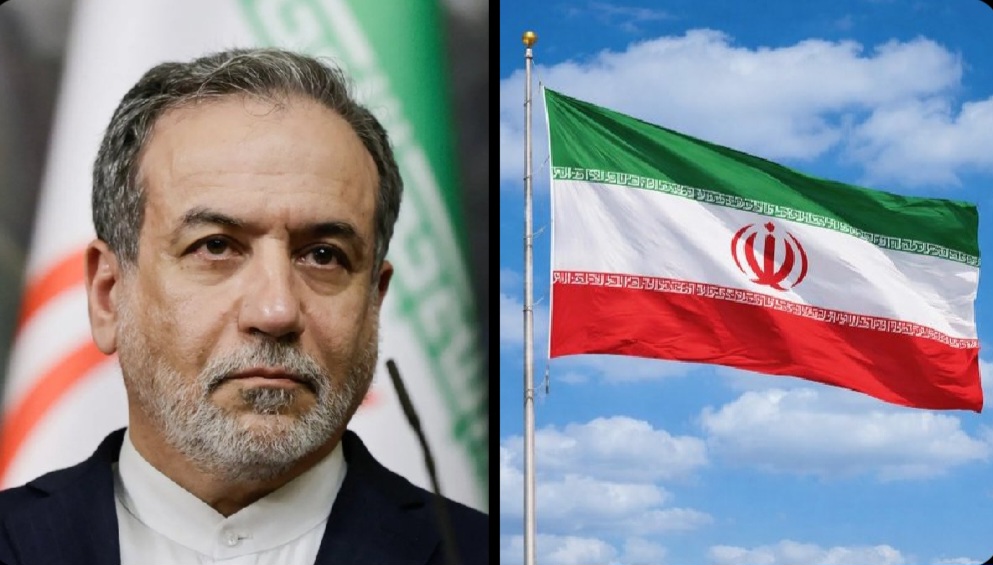
An extraordinary internal political conflict has emerged in Iran after the country’s judiciary reportedly suspended actions linked to restoring internet access approved by elements within the presidential administration, exposing growing tensions between competing centers of power inside the Iranian government.
Internet restrictions have become a highly sensitive issue in Iran, where authorities frequently impose limitations during periods of unrest, protests, or national security concerns. Supporters of restoring broader access argue that internet connectivity is essential for economic stability, business operations, communication, and technological development in an increasingly digital global economy.
However, hardline factions often frame unrestricted internet access as a security vulnerability capable of facilitating foreign influence, political mobilization, and information campaigns challenging state authority. The judiciary’s intervention therefore reflects deeper ideological struggles over governance, censorship, and state control in modern Iran.
Analysts say the incident reveals the complexity of Iran’s political structure, where elected officials, religious leadership, security institutions, and judicial authorities often operate with overlapping but competing powers. The unusual public nature of the dispute has intensified speculation about broader divisions within the country’s leadership during a period of heightened regional tension.
