
Table of Contents
Conservative Religious Leaders in Nigeria Convene to Appoint Alternative to Historic Female Archbishop of Canterbury
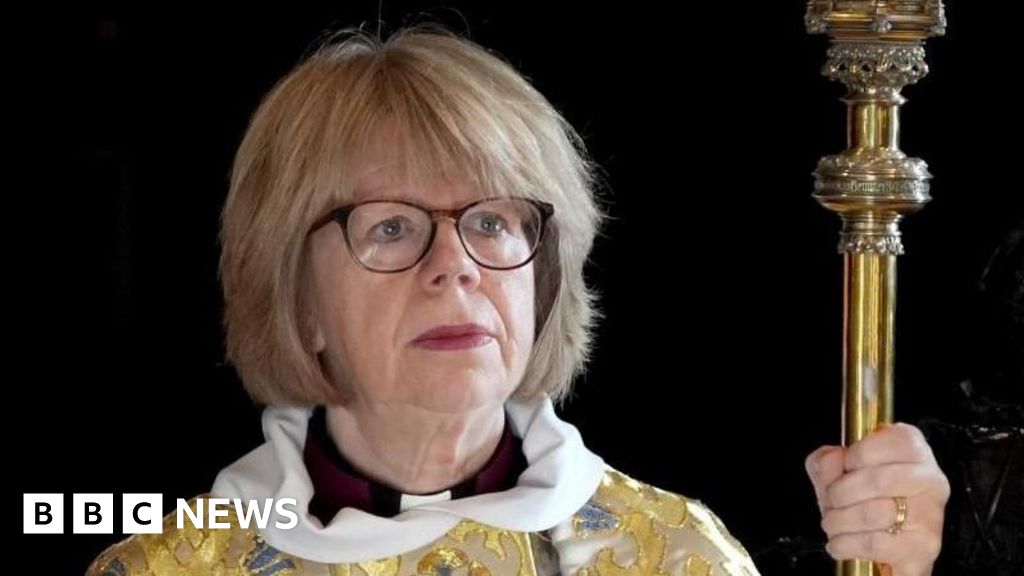
In a significant development within the Anglican Communion, a coalition of conservative clerics in Nigeria has gathered to select a counter-candidate to the Church of England’s first-ever female Archbishop of Canterbury. This move underscores ongoing tensions between progressive and traditionalist factions within global Anglicanism.
Background: A Milestone in Anglican History
The recent appointment of the first female Archbishop of Canterbury marked a groundbreaking moment for the Church of England, symbolizing a shift toward inclusivity and gender equality in ecclesiastical leadership. However, this progressive step has not been universally embraced, particularly among conservative Anglican communities worldwide.
Conservative Response: Nigeria’s Alternative Leadership Initiative
In response, Nigerian conservative bishops and clerics have convened to endorse an alternative leader who aligns with their traditionalist values. This faction emphasizes adherence to longstanding doctrines, particularly regarding gender roles and church authority. Their initiative reflects broader resistance to reforms perceived as diverging from scriptural teachings.
Global Anglicanism: Diverging Paths and Ongoing Debates
The Anglican Communion, comprising over 85 million members globally, has long grappled with internal divisions over issues such as gender, sexuality, and theological interpretation. Nigeria, home to one of the largest Anglican populations, has emerged as a pivotal player in these debates, often advocating for conservative orthodoxy.
Implications for Church Unity and Future Leadership
This schism highlights the challenges facing the Anglican Communion as it navigates modern societal changes while striving to maintain unity. The Nigerian clerics’ decision to appoint a rival figure could deepen existing fractures, potentially leading to parallel leadership structures or even formal splits.
Looking Ahead: The Path Toward Reconciliation or Division
As the Anglican Church moves forward, the balance between tradition and progress remains delicate. Observers note that dialogue and mutual respect will be crucial in bridging divides. Meanwhile, the Nigerian conservative bloc’s actions serve as a reminder of the complex interplay between cultural context and religious governance in shaping the future of global Christianity.
