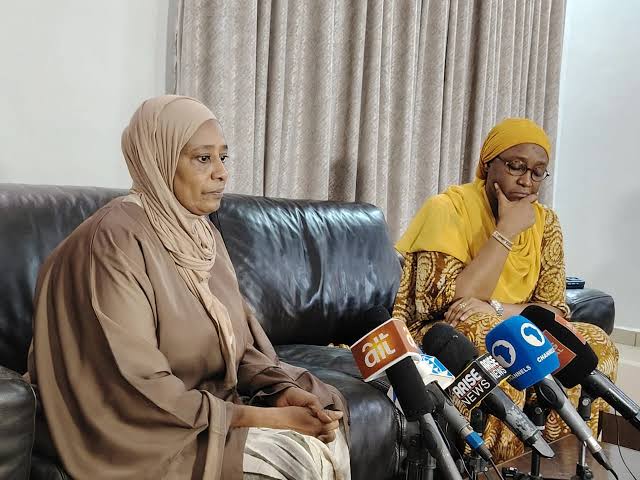
Hajiya Asiya El-Rufai, the wife of former Kaduna State governor Nasir El-Rufai, has issued an emotional, high-stakes petition to President Bola Ahmed Tinubu.
Flanked by El-Rufai’s other wife, Aichatou, Asiya spoke passionately to journalists at her Abuja residence. Her message was clear: after the immense personal and political sacrifices her family made to secure Tinubu’s victory in the 2023 presidential election, the current treatment of her husband feels like a bitter betrayal.
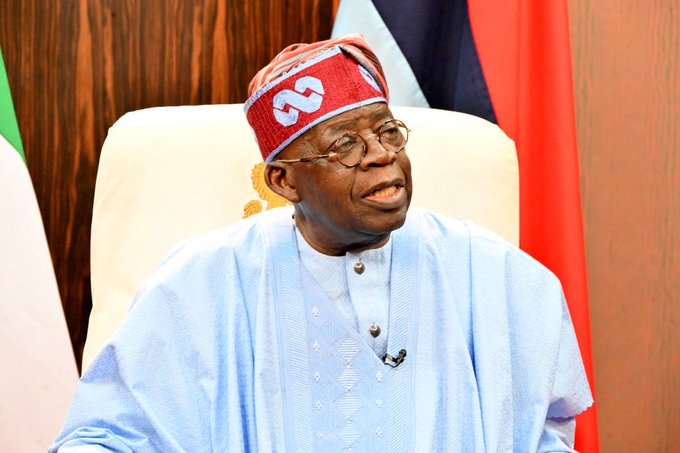
Addressing the President directly, Asiya recalled her active role on the campaign trail, noting that she traveled to every corner of Kaduna State to rally support for Tinubu, while her husband stood firmly by the President’s side.
“Is this what our family deserves?” she asked. “The ball is in your court, Mr. President. All these can stop if you say a word. We believe that you are a father and we know you can empathise.”
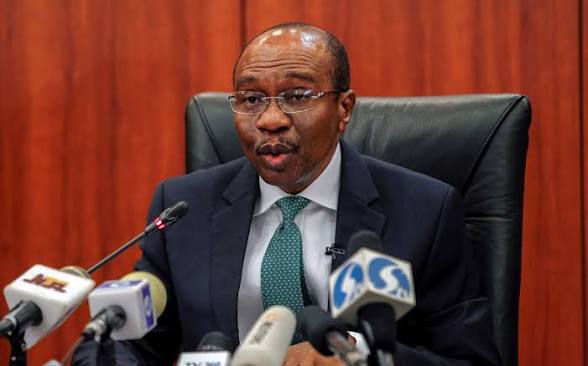
The family’s appeal is heavily driven by deteriorating conditions surrounding El-Rufai’s detention. According to Asiya, the former governor deals with high blood pressure and elevated blood sugar levels, yet he is reportedly being denied proper access to medical care.
The situation escalated following the arrest of El-Rufai’s personal physician, Prof. Bello Abubakar, by the Independent Corrupt Practices and Other Related Offences Commission (ICPC). Asiya alleged that orders from “above” have barred the doctor from seeing anyone, questioning who exactly is pulling the strings.
She described the restrictions as a form of “psychological warfare” designed to traumatize the family and break her husband’s spirit.