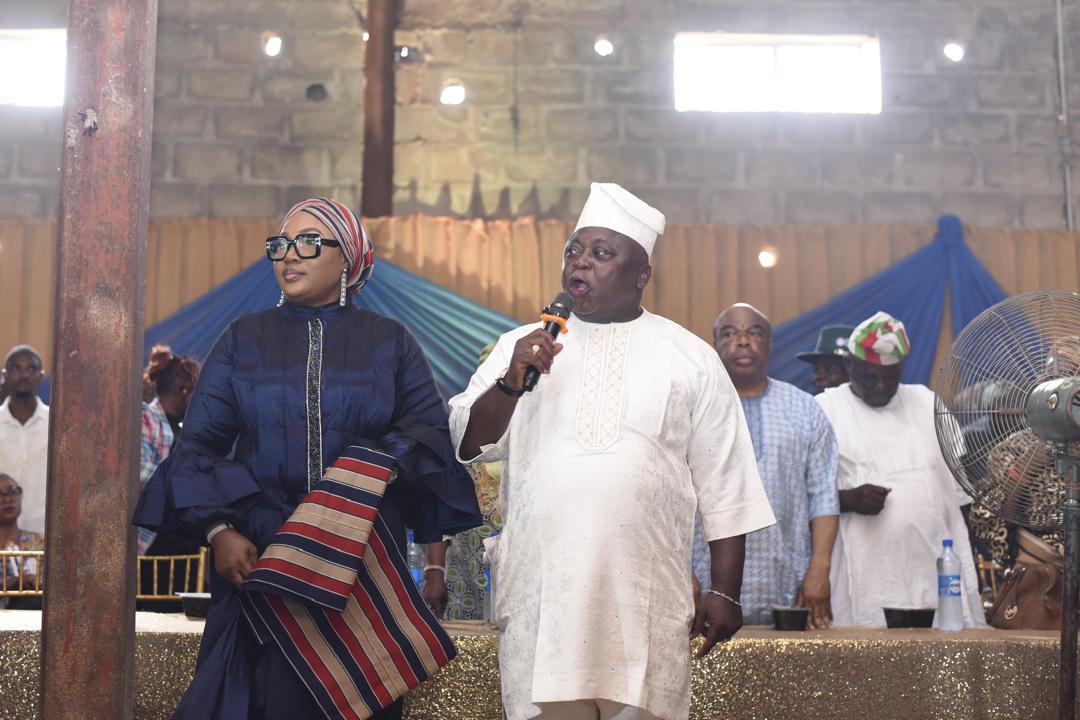
The Kwara State chapter of the All Progressives Congress (APC) has inaugurated a five-member reconciliation committee to resolve grievances arising from the party’s recently concluded primary elections ahead of the 2027 general elections.
The committee, chaired by retired ColonelAbdulWahab Ademola Lawal, was constituted by the party’s leadership to engage aggrieved members and key stakeholders with the aim of restoring unity and strengthening the APC ahead of the polls.
Other members of the panel include Assistant Comptroller General Ahmed Abbas, Engr. Musa Yeketi, Dr. (Mrs.) Oluwatoyin Opawoye, and Hajia Kubura Kassum.
According to a statement issued by the party’s State Publicity Secretary, Babatunde Olawale, the committee has been tasked with identifying the root causes of disagreements within the party, mediating among aggrieved members, and recommending practical solutions to foster lasting peace.
Speaking on the initiative, Kwara APC Chairman, Prince Sunday Fagbemi, said the reconciliation effort underscores the party’s commitment to inclusiveness and internal democracy. He expressed confidence that the committee would help rebuild trust among members and ensure the party remains united as preparations for the 2027 elections intensify.
The committee is expected to consult widely with party leaders, aspirants, and members across the state before submitting a comprehensive report containing recommendations to the state executive committee.
Party leaders have also appealed to members to avoid inflammatory statements and embrace dialogue, stressing that differences arising from the primaries should be resolved amicably in the overall interest of the APC and its electoral prospects in 2027.