
Table of Contents
Omaha Police Fatally Shoot Woman Threatening Toddler with Knife
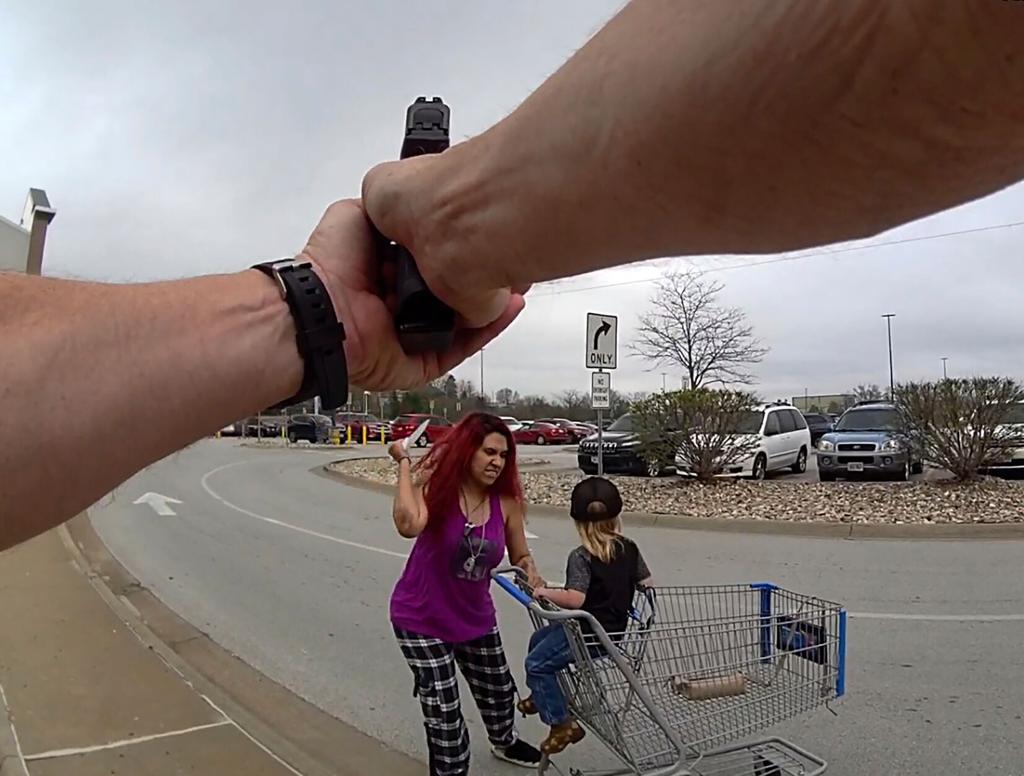
In a tragic incident in Omaha, Nebraska, two law enforcement officers fatally shot a woman who was reportedly wielding a kitchen knife and threatening a 3-year-old child. The confrontation unfolded in a residential neighborhood, drawing significant attention and raising questions about police response protocols in high-stakes domestic situations.
Details of the Incident
According to official reports, the woman was armed with a kitchen knife and directed it toward a young boy, prompting immediate concern for the child’s safety. Responding officers arrived swiftly at the scene and attempted to de-escalate the situation. However, when the woman continued to pose an imminent threat, the officers discharged their weapons, resulting in her death.
Context and Police Response
Situations involving armed individuals threatening children are among the most challenging for first responders. Police officers must balance the urgency of protecting vulnerable victims with the need to minimize harm. In this case, the officers’ decision to use lethal force was reportedly made after non-lethal options failed or were deemed insufficient to neutralize the danger.
Community Reaction and Ongoing Investigation
The shooting has sparked a range of reactions within the Omaha community, from calls for a thorough investigation to discussions about mental health support and crisis intervention training for police. Authorities have launched an inquiry to review the circumstances surrounding the shooting, including body camera footage and witness statements, to ensure transparency and accountability.
Broader Implications and Preventative Measures
Incidents like this highlight the critical need for enhanced training in de-escalation techniques and mental health crisis management among law enforcement personnel. According to recent data from the Bureau of Justice Statistics, nearly 25% of police shootings involve individuals experiencing mental health crises. Implementing specialized response teams and community-based interventions could reduce the likelihood of fatal outcomes in similar scenarios.
Conclusion
The fatal shooting in Omaha underscores the complexities officers face when protecting the public, especially children, in volatile situations. As investigations continue, the focus remains on learning from this tragedy to improve response strategies and prevent future loss of life.
