
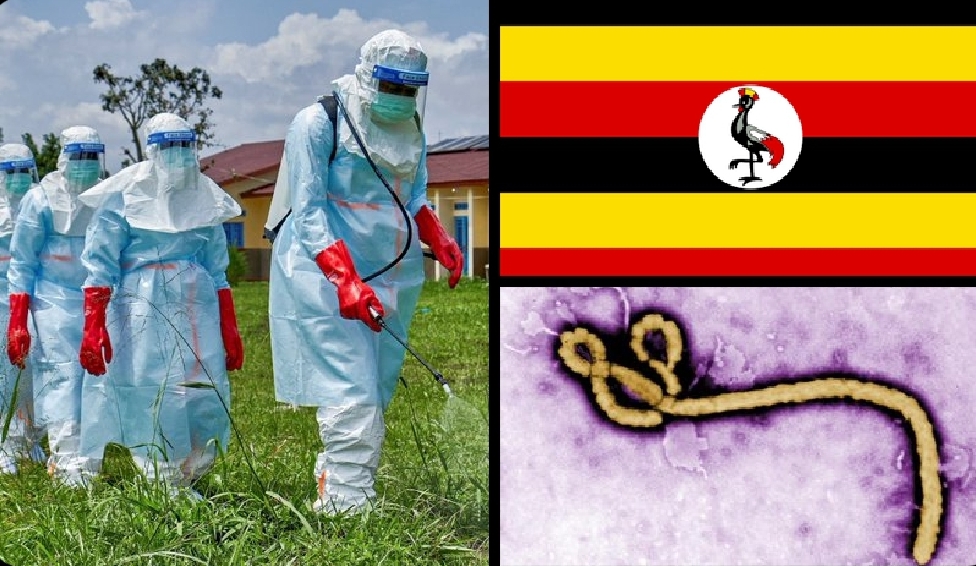
Health officials in Uganda have confirmed three new cases of Ebola, bringing the country’s total number of infections to five and raising concerns about a potential wider outbreak in the region.
The confirmation has prompted immediate emergency response efforts from Ugandan authorities and international health organizations, including contact tracing, isolation measures, and surveillance programs aimed at preventing community transmission. Ebola remains one of the world’s deadliest infectious diseases, capable of spreading rapidly through direct contact with bodily fluids of infected individuals.
Uganda has faced Ebola outbreaks before and has developed substantial experience managing containment operations. However, health experts warn that early detection and rapid intervention remain critical because outbreaks can escalate quickly if not controlled in the initial stages. The country’s public health infrastructure is now under intense pressure to identify exposure networks and reassure communities while avoiding panic.
The outbreak also arrives at a sensitive time for African healthcare systems still recovering from the long-term impact of the COVID-19 pandemic. International agencies including the World Health Organization are expected to increase support for surveillance, treatment logistics, and border monitoring to reduce the risk of cross-border spread.
Medical experts continue emphasizing that while Ebola is highly dangerous, outbreaks can often be contained effectively through swift isolation protocols, community awareness campaigns, and coordinated public health action. Nevertheless, the latest cases serve as another reminder of how rapidly infectious diseases can re-emerge and test healthcare preparedness worldwide.
