
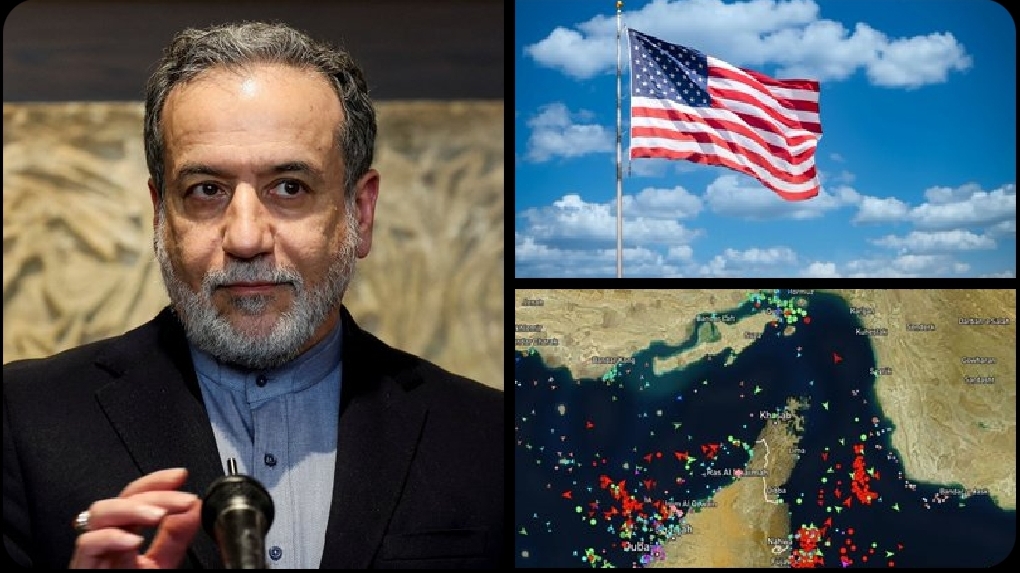
Tensions between Iran and the United States have escalated sharply after Tehran issued a strong message asserting new strategic control over the Strait of Hormuz, one of the world’s most critical maritime chokepoints for global oil transportation.
Iranian officials warned Washington to recognize what they described as an expanded military and geopolitical influence over the narrow waterway linking the Persian Gulf to international markets. The statement immediately triggered concern among global energy analysts and security experts because nearly one-fifth of the world’s oil supply passes through the Strait of Hormuz each day, making stability in the region essential for global economic balance.
The development adds another layer of complexity to already strained relations between Iran and the United States, countries whose rivalry has been shaped by decades of sanctions, nuclear negotiations, proxy conflicts, and naval confrontations. Control of maritime routes has long been central to Iran’s strategic leverage, particularly during periods of heightened political pressure or economic sanctions.
Security observers note that statements surrounding control of the strait often serve both military signaling and diplomatic messaging purposes. While no immediate closure of shipping lanes has been confirmed, even rhetorical escalation can influence global oil prices, insurance costs for commercial vessels, and military deployments by Western and regional allies seeking to protect trade flows.
The situation highlights how geography continues to shape global power dynamics. The Strait of Hormuz remains not only a shipping route but also a pressure point capable of influencing international markets, alliance politics, and regional stability. As tensions evolve, the world’s attention remains fixed on whether the rhetoric translates into concrete military action or opens a new chapter of negotiations aimed at preventing a wider confrontation.
