
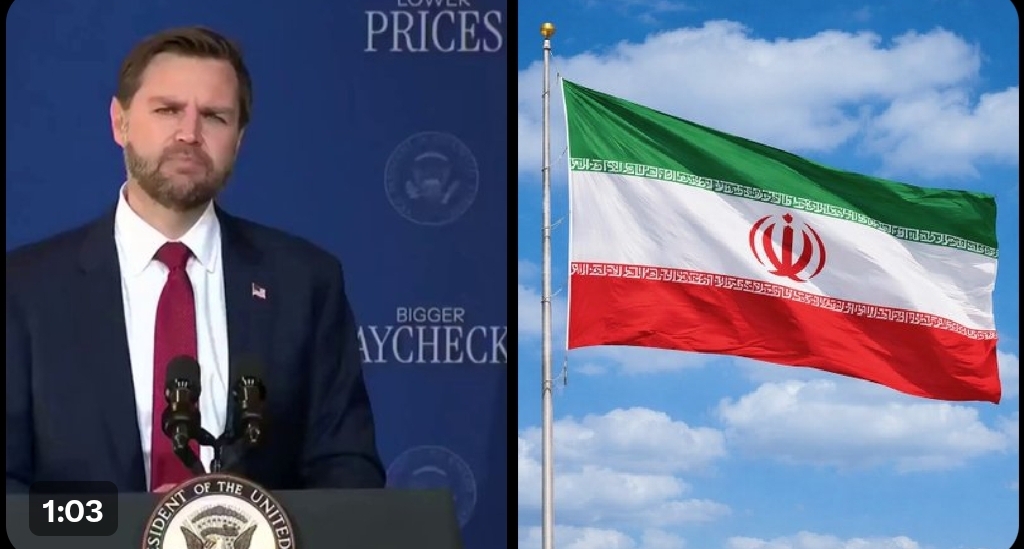
U.S. Vice President JD Vance has ignited political debate after declaring that he would face imprisonment if he disclosed classified information related to Iran, a statement that underscores growing tensions surrounding intelligence transparency and national security accountability in Washington. The remark reflects the delicate balance modern leaders must maintain between public communication and the strict legal frameworks governing sensitive intelligence.
At the heart of the issue lies America’s evolving approach toward Iran and the broader Middle East. As geopolitical tensions intensify, lawmakers, journalists, and citizens increasingly demand clarity about military planning, diplomatic strategy, and intelligence assessments. Yet national security laws strictly prohibit officials from revealing classified material, even when political pressure mounts. Vance’s statement appears intended to reinforce institutional boundaries, reminding the public that access to intelligence carries legal obligations that override political debate.
The comment also highlights a wider shift in American political culture where transparency and secrecy constantly collide. In an age of rapid information sharing, social media scrutiny, and partisan polarization, elected officials are often pushed to reveal more than security agencies consider safe. By stressing potential legal consequences, Vance positioned himself firmly within the traditional doctrine that intelligence protection remains essential to safeguarding national interests and protecting operational personnel.
Observers note that such declarations often serve dual purposes: defending national security protocols while signaling seriousness about foreign policy threats. Iran remains central to U.S. strategic calculations involving nuclear monitoring, regional alliances, and deterrence policy. Any unauthorized disclosure could compromise intelligence sources or escalate tensions unintentionally, making caution politically necessary even when public curiosity intensifies.
Ultimately, Vance’s remarks illustrate a recurring dilemma in democratic governance — how leaders maintain transparency without weakening national security. As global conflicts grow more complex and information warfare becomes increasingly prominent, the line between what citizens want to know and what governments must keep secret continues to define modern political leadership.
