
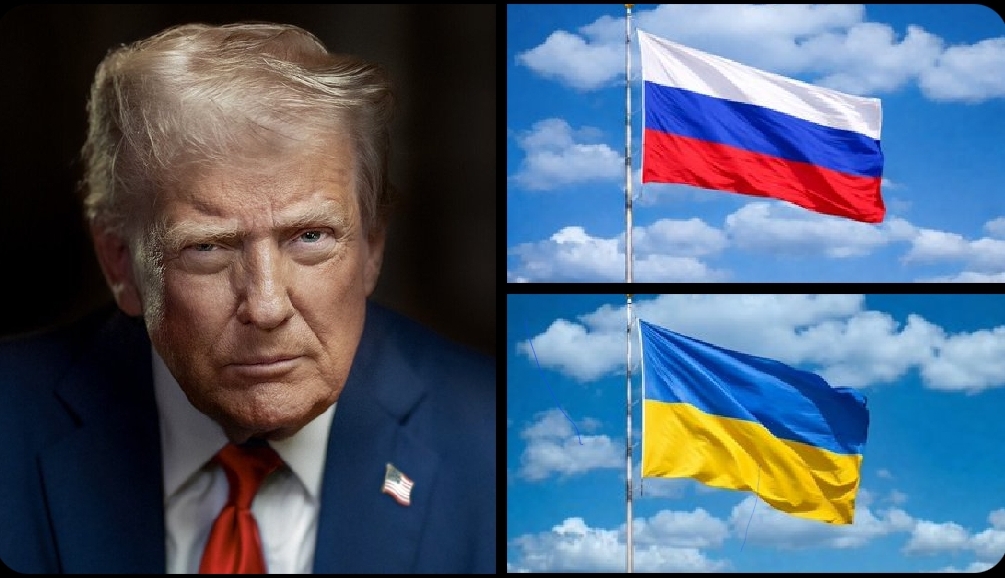
In a surprising geopolitical development, former U.S. President Donald Trump has announced a proposed three-day ceasefire in the ongoing conflict between Russia and Ukraine, a move that has quickly stirred global diplomatic conversations. The announcement comes amid renewed international pressure to slow down hostilities that have defined Europe’s largest war in decades.
The Russia-Ukraine war, which began after Vladimir Putin ordered a full-scale invasion of Ukraine in 2022, has remained locked in a prolonged battlefield stalemate despite multiple international mediation attempts. Trump’s ceasefire proposal reportedly aims to create a short humanitarian window intended to reduce civilian casualties, allow evacuation efforts, and open limited diplomatic dialogue between both sides.
Although details of the arrangement remain unclear, early reactions from analysts suggest the proposal may function more as a confidence-building measure than a long-term peace framework. Ukrainian leadership under Volodymyr Zelenskyy has historically maintained that any ceasefire must include guarantees protecting Ukraine’s territorial sovereignty, a condition that has complicated previous negotiations.
Supporters of the initiative argue that even a temporary halt in fighting could reduce frontline pressure and demonstrate whether diplomatic engagement remains possible. Critics, however, warn that short ceasefires can sometimes allow military regrouping rather than genuine peace efforts.
The proposal reflects growing international fatigue with a conflict that continues to impact global energy markets, food supply chains, and security alliances. Whether the ceasefire becomes operational or remains symbolic will depend largely on Moscow and Kyiv’s willingness to cooperate — something that has proven elusive throughout the war.
For now, the world watches closely, as even a brief pause in violence could mark the first meaningful de-escalation signal in months
