
Table of Contents
Exploring the Male Drive for Dominance and Respect: A Modern Perspective
Understanding the Male Pursuit of Authority and Esteem
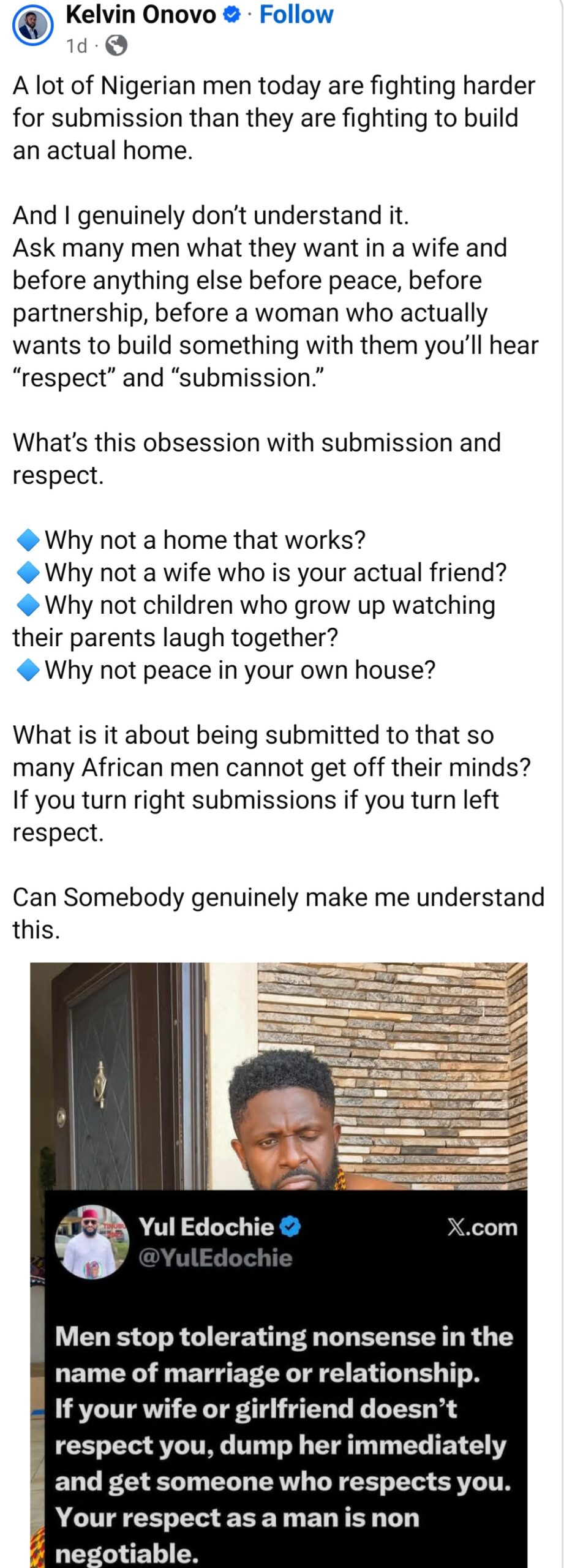
In contemporary society, the question arises: why do many men seem more inclined to compete for dominance and recognition rather than cooperation and mutual respect? This phenomenon has intrigued psychologists, sociologists, and business leaders alike, prompting a deeper examination of the underlying motivations behind male behavior in social and professional settings.
Biological and Social Roots of Male Competition
Evolutionary biology suggests that men have historically engaged in competitive behaviors to secure resources, mates, and social standing. This ingrained drive often manifests as a desire to assert control and gain respect from peers. However, modern research indicates that these tendencies are also shaped by cultural norms and societal expectations, which can either amplify or mitigate aggressive competition.
Reevaluating the Concept of Respect in Male Interactions
Respect among men is frequently linked to displays of strength, success, and dominance. Yet, this traditional view is evolving. Increasingly, respect is being redefined to include emotional intelligence, collaboration, and integrity. For instance, in the corporate world, leaders who foster inclusive environments and demonstrate empathy often earn more genuine respect than those who rely solely on authority.
Case Study: Shifting Dynamics in Workplace Leadership
Consider the example of a tech startup where the CEO prioritizes transparent communication and team empowerment over hierarchical control. This approach has led to a 30% increase in employee satisfaction and a 20% boost in productivity, illustrating that respect can be cultivated through cooperation rather than competition. Such examples highlight a growing trend where men are redefining what it means to lead and be respected.
Implications for Personal Growth and Social Harmony
Understanding the reasons behind the male inclination toward dominance can help individuals and organizations foster healthier relationships. Encouraging men to value collaboration and mutual respect over submission battles can reduce conflict and promote more meaningful connections. Programs focusing on emotional awareness and communication skills are proving effective in this regard.
Conclusion: Towards a Balanced Expression of Masculinity
While the drive for submission and respect remains a significant aspect of male identity, it is essential to recognize the potential for growth beyond traditional paradigms. Embracing diverse expressions of masculinity that prioritize respect through empathy and cooperation can lead to more fulfilling personal and professional lives. As society progresses, so too does the understanding of what it means to be a man in the modern world.
