
Table of Contents
Eid al-Fitr: A Global Celebration Marking the Conclusion of Ramadan
Observed by close to two billion Muslims worldwide, Eid al-Fitr signifies the conclusion of Ramadan, the sacred month dedicated to fasting and spiritual reflection. The term “Eid al-Fitr” translates to “Festival of Breaking the Fast,” symbolizing a moment of communal gratitude, worship, generosity, and joyous reunions with loved ones.
The Spiritual Significance of Eid al-Fitr
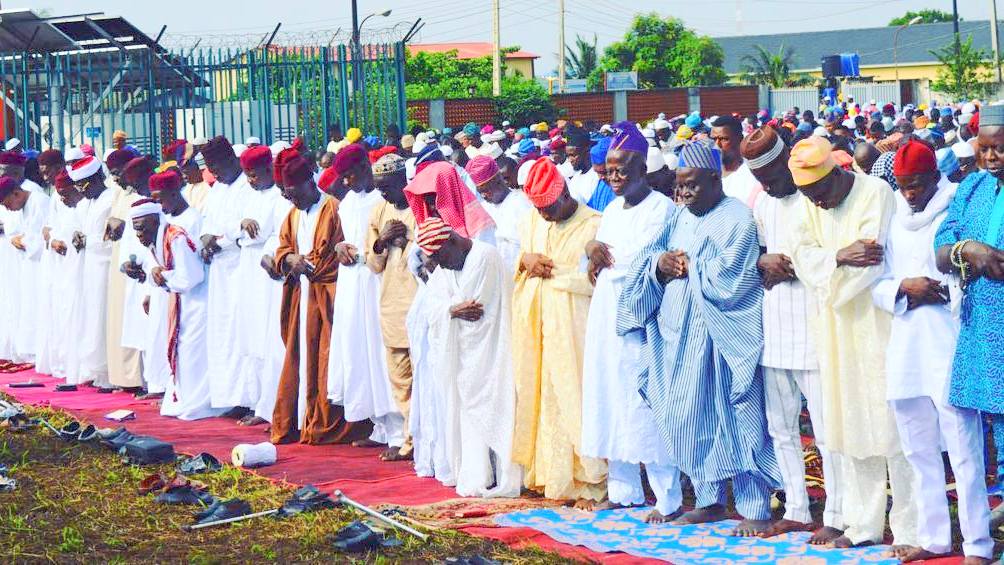
Ramadan is a period of intense devotion, self-discipline, and empathy for those less fortunate. Eid al-Fitr serves as a culmination of these efforts, offering believers an opportunity to express thankfulness to Allah for the strength to complete the fast. The day begins with a special prayer called Salat al-Eid, performed in congregation, often in large open spaces or mosques, fostering a sense of unity and spiritual renewal.
Customs and Traditions Across Cultures
While the core essence of Eid al-Fitr remains consistent, cultural practices vary widely. In Indonesia, the world’s largest Muslim-majority country, families prepare elaborate feasts featuring dishes like ketupat (rice cakes) and rendang (spiced meat stew). In Egypt, it is customary to share sweet treats such as kahk, a type of cookie filled with nuts or dates. These culinary traditions highlight the festive spirit and the importance of sharing blessings.
Acts of Charity: Zakat al-Fitr
Integral to Eid celebrations is the giving of Zakat al-Fitr, a mandatory charitable donation aimed at assisting those in need to partake in the festivities. This act of generosity ensures that the less privileged can also enjoy food and gifts during Eid, reinforcing the values of compassion and social responsibility emphasized throughout Ramadan.
Family and Community: The Heart of Eid
Eid al-Fitr is a time when families come together, often traveling great distances to reunite. Homes are adorned with decorations, and new clothes are worn to mark the joyous occasion. Children eagerly receive gifts and sweets, reminiscent of holiday traditions in other cultures, such as Christmas or Diwali. Community events, including fairs and cultural performances, further enhance the celebratory atmosphere.
Modern-Day Observances and Global Impact
In recent years, Eid al-Fitr has gained increased recognition in many non-Muslim countries, with public holidays and community events reflecting the growing diversity of societies. For example, in the United Kingdom, Eid celebrations attract thousands to public parks and city centers, showcasing Islamic culture and fostering intercultural understanding. According to a 2023 Pew Research Center report, the global Muslim population is projected to reach 2.2 billion by 2030, indicating that Eid al-Fitr’s significance will continue to expand worldwide.
Conclusion: A Festival of Faith, Unity, and Renewal
Eid al-Fitr embodies more than just the end of fasting; it is a profound expression of faith, gratitude, and community spirit. Through prayer, charity, and celebration, Muslims around the globe reaffirm their commitment to spiritual growth and social harmony, making Eid a truly universal festival of hope and renewal.
