
Table of Contents
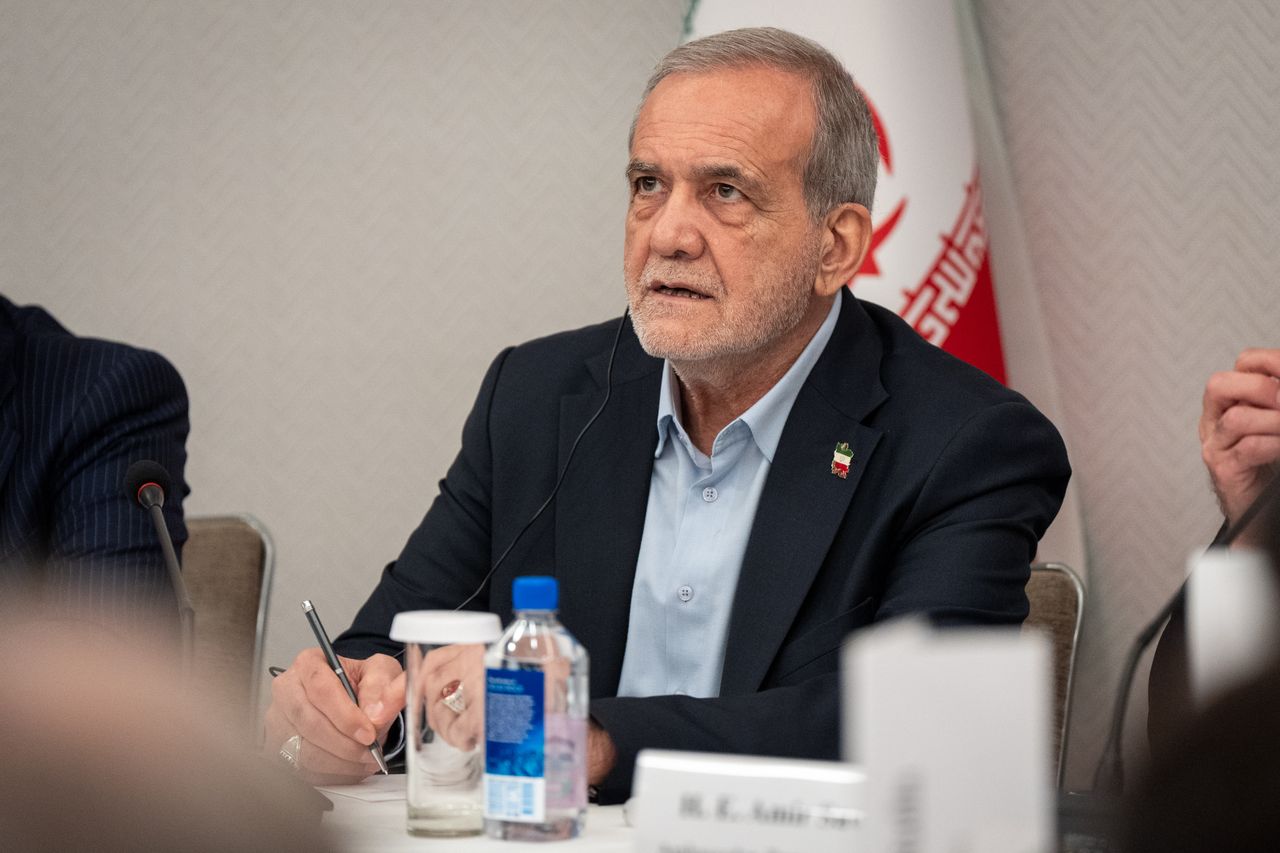
Iranian President Masoud Pezeshkian’s Uncommon Call for Reform Amidst Rising Domestic Challenges
In an unusual public statement, Iran’s President Masoud Pezeshkian has openly acknowledged the pressing need for significant reforms within the country’s political and economic frameworks. This candid admission comes at a time when Iran faces mounting internal pressures, including economic instability and widespread public dissatisfaction.
Addressing the Urgency for Political and Economic Transformation
Pezeshkian emphasized that without comprehensive changes, Iran risks exacerbating its current crises. He highlighted that the existing governance model has struggled to meet the expectations of its citizens, particularly in terms of economic prosperity and social freedoms. This marks a notable shift from the traditionally guarded rhetoric of Iranian leadership, signaling a potential openness to reform.
Contextualizing Iran’s Current Socioeconomic Landscape
Iran’s economy has been under significant strain due to international sanctions, fluctuating oil prices, and internal mismanagement. According to recent data from the World Bank, Iran’s GDP contracted by approximately 6% in the past year, while inflation rates soared above 40%, severely impacting the purchasing power of ordinary Iranians. These economic hardships have fueled public protests and calls for change across various sectors.
Comparative Insights: Lessons from Regional Reform Efforts
Looking at neighboring countries, such as Tunisia and Jordan, which have embarked on gradual reform paths, Iran could draw valuable lessons on balancing political stability with economic liberalization. For instance, Tunisia’s phased approach to economic reforms post-Arab Spring helped stabilize its economy while maintaining social cohesion. Similarly, Jordan’s incremental policy adjustments have aimed to attract foreign investment without triggering widespread unrest.
Potential Implications for Iran’s Future Trajectory
If Pezeshkian’s call for reform gains traction within Iran’s political establishment, it could pave the way for enhanced international engagement and economic revitalization. However, the path forward remains fraught with challenges, including resistance from conservative factions and the need to manage public expectations carefully. The coming months will be critical in determining whether Iran can navigate these complexities toward a more sustainable and inclusive future.
Conclusion: A Pivotal Moment for Iran’s Reform Agenda
President Masoud Pezeshkian’s rare public appeal underscores a growing recognition among Iran’s leadership that transformative change is imperative. As the nation grapples with economic hardships and social unrest, embracing reform could be the key to unlocking long-term stability and prosperity. Observers worldwide will be watching closely to see how Iran’s political landscape evolves in response to these unprecedented calls for change.
