
Table of Contents
Covid Inquiry Concludes Three Years of Public Testimonies, Empowering Bereaved Families
Families of the Deceased Take Center Stage in Covid Inquiry
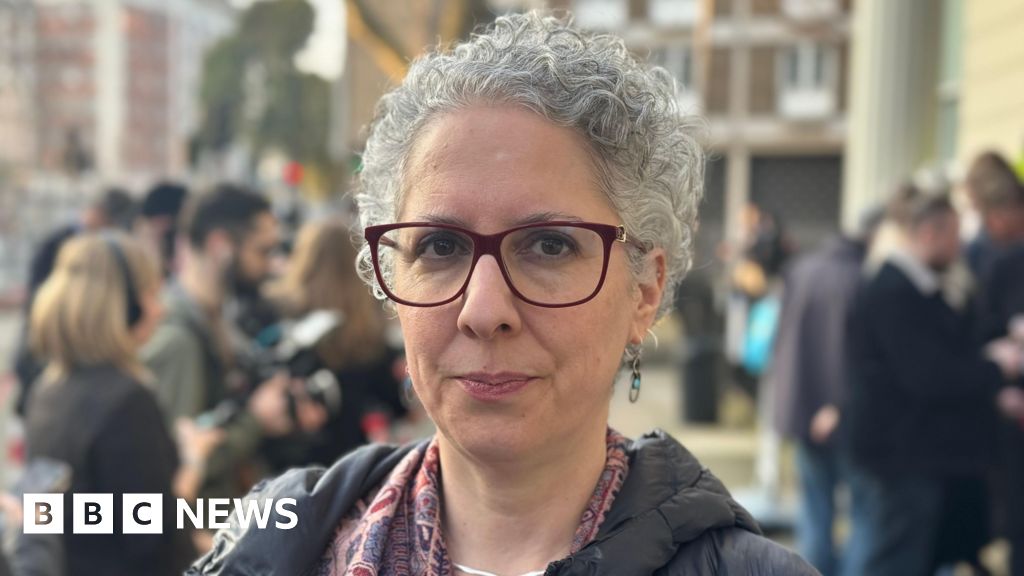
After three years of extensive public hearings, the Covid inquiry has reached a pivotal moment, placing the voices of families who lost loved ones at the forefront. These bereaved relatives have been granted the crucial opportunity to share their experiences and influence the inquiry’s final conclusions, ensuring their perspectives shape future public health policies.
Comprehensive Examination of Pandemic Response
The inquiry meticulously reviewed the government’s handling of the pandemic, scrutinizing decisions from the initial outbreak through vaccination rollouts and lockdown measures. Over 1,000 witnesses, including healthcare professionals, policymakers, and affected families, contributed testimonies. This exhaustive process aimed to identify systemic failures and successes, providing a blueprint for improved crisis management.
Impact of Family Testimonies on Policy Recommendations
Personal accounts from those who endured loss have profoundly influenced the inquiry’s recommendations. For instance, many families highlighted delays in hospital admissions and communication breakdowns, prompting calls for enhanced emergency response protocols. These narratives underscore the human cost behind statistical data, emphasizing the need for compassionate and timely healthcare interventions.
Lessons Learned and Future Preparedness
Drawing from the inquiry’s findings, experts advocate for strengthened public health infrastructure and transparent communication strategies. The pandemic exposed vulnerabilities, such as supply chain disruptions and inconsistent messaging, which contributed to public confusion and mistrust. Implementing robust contingency plans and fostering community engagement are now seen as essential steps to mitigate future health crises.
Global Context and Comparative Insights
Similar inquiries worldwide have echoed the importance of family involvement in pandemic reviews. For example, New Zealand’s Covid-19 response inquiry incorporated extensive family testimonies, leading to reforms in patient care and mental health support. These international parallels highlight a growing recognition of the value of lived experiences in shaping effective health policies.
Conclusion: Honoring Loss Through Accountability and Reform
As the Covid inquiry concludes its public hearings, the empowerment of bereaved families stands as a testament to the commitment to accountability and learning. Their contributions not only honor those lost but also pave the way for a more resilient and compassionate healthcare system, better equipped to face future challenges.
