
Table of Contents
Climate Crisis Intensifies: A Global Call to Action
As the planet continues to warm at an unprecedented pace, 2026 will spotlight the escalating climate emergency. Following the hottest year ever documented, experts warn that global temperatures could soar even higher before 2030, amplifying the urgency for decisive measures.
While COP30 in Brazil rekindled hope for international collaboration, the absence of key players like the United States underscored ongoing diplomatic hurdles. The upcoming climate summit in Colombia this April is widely anticipated to be a critical juncture, aiming to galvanize nations into committing to concrete strategies for phasing out fossil fuels.
Moreover, the momentum generated by youth-led movements in other sectors raises questions about whether younger generations will intensify their activism to drive climate solutions forward.
2026 World Cup: The Largest Football Festival Yet
Football enthusiasts worldwide will be captivated as the 2026 FIFA World Cup unfolds across the United States, Canada, and Mexico from June 11 to July 19. Featuring an unprecedented 48 teams, this tournament marks the largest in history, with the United States hosting the majority of matches.
Beyond the pitch, geopolitical tensions simmer beneath the surface, influenced by trade and immigration policies that have strained relations among the host countries. On the sporting front, reigning champions Argentina will defend their title, while France, spearheaded by Kylian Mbappé, aims to reclaim supremacy. Spain’s formidable squad and Cristiano Ronaldo’s quest for a final career triumph with Portugal at 41 add to the tournament’s intrigue.
Newcomers such as Cape Verde, Uzbekistan, and Curaçao will make their World Cup debuts, enriching the competition’s diversity. Fans should also brace for steep ticket prices, as FIFA’s dynamic pricing model may significantly increase costs.
Middle East Dynamics: Gaza Ceasefire and Netanyahu’s Political Crossroads
The fragile ceasefire in Gaza, brokered under U.S. influence, remains a focal point of international concern in 2026. Despite the temporary halt in hostilities, critical questions linger regarding Gaza’s reconstruction, governance, and the timeline for Israeli troop withdrawal.
The United Nations’ proposal for an international security force in Gaza faces skepticism from both Israel and Hamas, maintaining a tense atmosphere. Meanwhile, Israeli Prime Minister Benjamin Netanyahu, aged 76, prepares for a challenging re-election bid in November 2026. His fragile coalition, holding only half the parliamentary seats, may prompt him to adopt a more aggressive military stance in Gaza or Lebanon to consolidate support from right-wing factions.
A potential game-changer could be a historic agreement brokered by Donald Trump to normalize relations between Israel and Saudi Arabia, which would significantly alter Middle Eastern geopolitics and potentially strengthen Netanyahu’s position.
U.S. Midterm Elections 2026: A Crucial Test for Political Power
The 2026 midterm elections in the United States will be a decisive moment for the nation’s political landscape and the enduring influence of Donald Trump. Although Trump will not be a candidate, his impact will permeate the campaigns and voter sentiment.
The Republican Party faces the challenge of defending vulnerable seats in battleground states such as Ohio, Michigan, and North Carolina. Conversely, Democrats see an opportunity to regain control of the House or Senate, needing only a few seat gains to shift the balance of power.
For American voters, these elections transcend party politics; they will determine whether Congress supports or constrains Trump’s agenda, influencing legislative priorities and oversight for years to come.
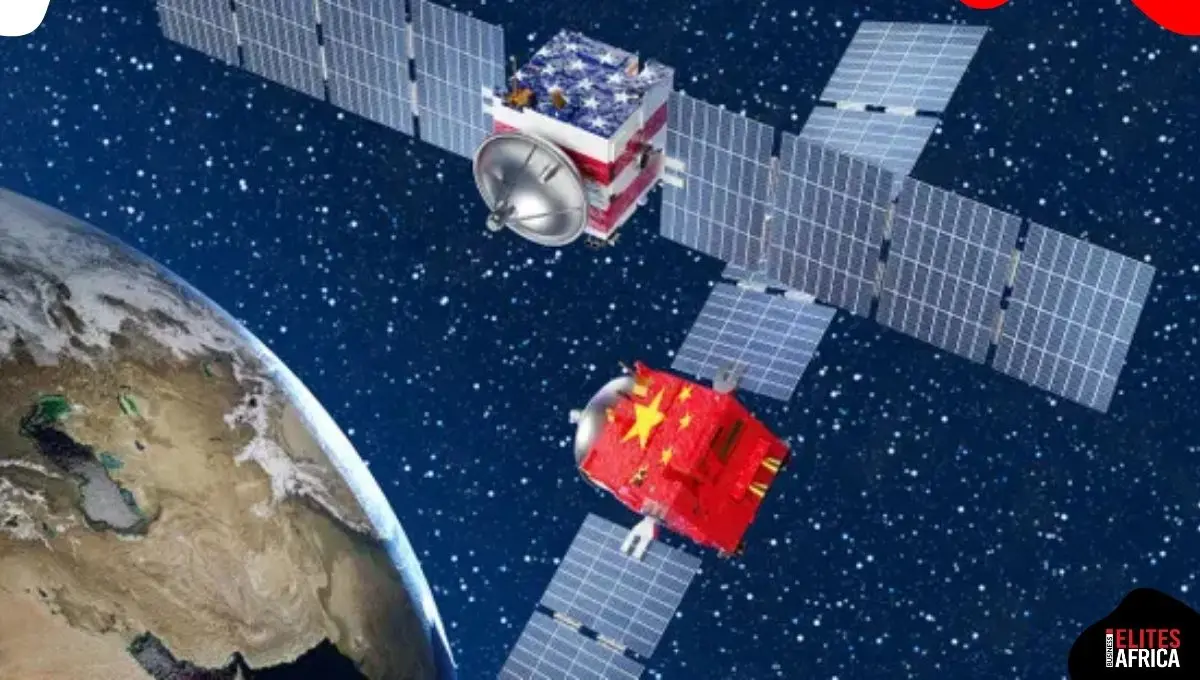
Renewed Lunar Exploration and the Emerging Space Race
Space exploration is set to capture global attention once again in 2026. NASA plans to launch the Artemis II mission by April, aiming to send astronauts on a crewed journey around the Moon-the first such mission in over five decades. This endeavor is a critical step toward future lunar landings and ambitious goals like Mars exploration.
Private aerospace companies, notably SpaceX, continue to revolutionize space travel, accelerating innovation and reducing costs. Meanwhile, China is advancing its lunar ambitions with the Chang’e 7 mission targeting the Moon’s south pole and preparing crewed spacecraft test flights as part of its 2030 lunar landing objective.
India is rapidly emerging as a key player in space technology, following its successful 2023 lunar landing. The country aims to send its inaugural astronaut into orbit by 2027, signaling its growing prominence in the global space community.
The Moon is evolving beyond a mere symbol of exploration; it is becoming a vital proving ground for new technologies, energy solutions, and potential lunar habitats that will underpin humanity’s future in space.
