
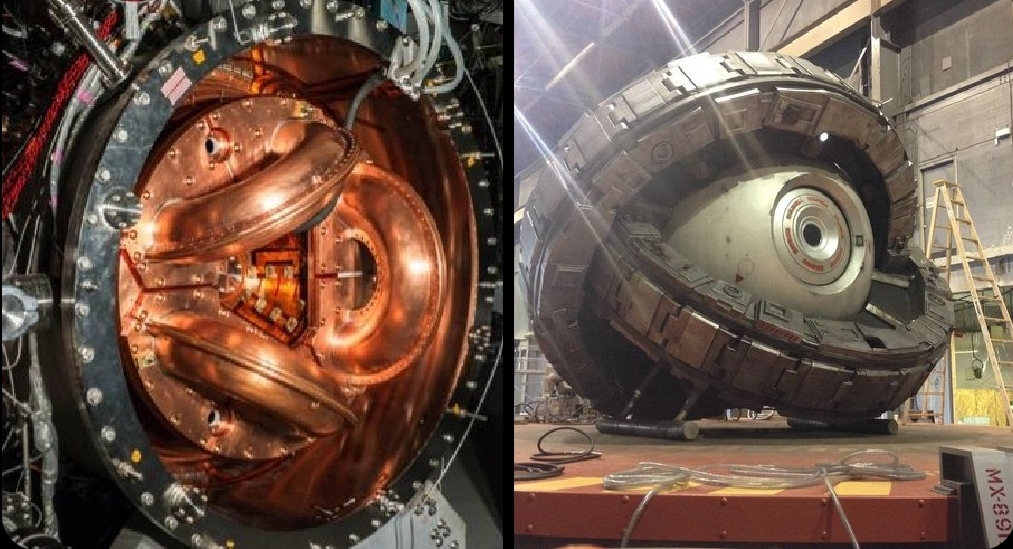
Germany’s push to become a global leader in fusion energy is gaining momentum, with government-backed plans envisioning the construction of the world’s first commercially viable fusion power plant during the 2040s. The ambitious roadmap has reignited excitement among scientists, policymakers, and investors who believe fusion energy could eventually revolutionize how humanity generates electricity.
Unlike conventional nuclear power plants, fusion reactors seek to replicate the same process that powers the sun. By fusing atomic nuclei together, fusion has the potential to generate enormous amounts of energy while producing minimal long-term radioactive waste and virtually no carbon emissions. For decades, however, the technology has remained one of science’s greatest challenges due to the extreme temperatures and engineering requirements involved.
Germany’s latest strategy aims to accelerate the path toward commercialization through partnerships between government institutions, private companies, and research organizations. Plans call for the development of advanced demonstration reactors during the late 2030s, which could eventually lead to commercial facilities capable of supplying electricity to national grids. Supporters believe successful fusion deployment could help solve some of the world’s most pressing energy challenges, including climate change, energy security, and rising electricity demand.
While claims that a single German fusion reactor could power the entire planet by 2040 are likely exaggerated, there is little doubt that progress in fusion research has accelerated significantly in recent years. Scientists around the world have achieved important milestones involving plasma stability, energy output, and reactor design, bringing the once-distant dream of fusion power closer to reality. If Germany succeeds in turning laboratory breakthroughs into commercial infrastructure, it could help usher in a new era of clean energy that reshapes global economics, geopolitics, and environmental policy for generations to come.
