
Table of Contents
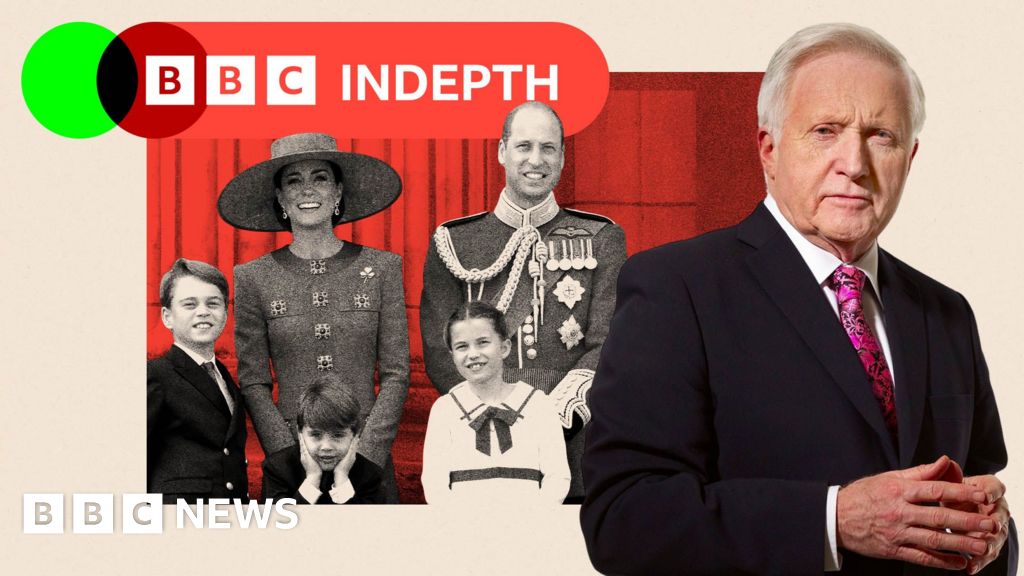
David Dimbleby: Could Prince William‘s Relatable Style Revitalize Public Support for the Monarchy?
Having spent decades covering royal events, I have recently delved deeply into the monarchy for a personal documentary series. Over the past two years, I’ve interviewed former private secretaries, communications experts, royal historians, close acquaintances of King Charles III, and even committed republicans to grasp how the monarchy functions and why it continues to captivate Britain.
Despite this enduring fascination, recent surveys reveal a notable decline in public enthusiasm for the monarchy.
Back in 1983, the inaugural British Social Attitudes survey found that 86% of respondents considered the monarchy “very” or “quite” important. Fast forward to 2023, and that figure has dropped sharply to just 51%, with younger generations showing even less support. Yet, this doesn’t necessarily translate into a desire for an elected head of state; most Britons remain unconvinced by republican alternatives. Moreover, uniting the four nations of the UK under an elected president would likely prove far more complex than some anticipate.
Nonetheless, this downward trend poses a significant challenge for the institution.
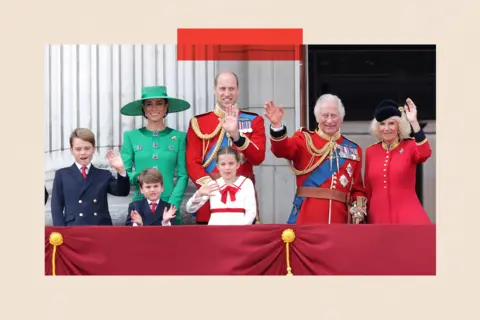
Anna Whitelock, professor of monarchy history at City, University of London, argues, “The monarchy’s survival depends on either widespread indifference or genuine affection. If those connections dissolve, the institution loses its very reason for existing.”
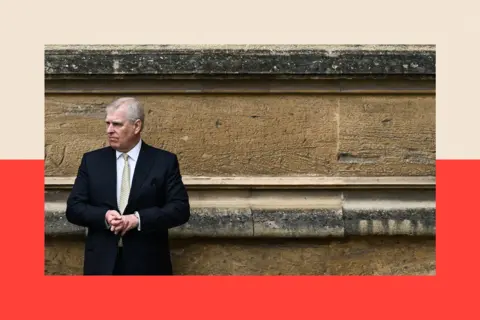
Many attribute recent public disillusionment to scandals involving individual royals. For instance, Andrew Mountbatten-Windsor’s reputation has plummeted, with only 4% of respondents in an October YouGov poll viewing him positively-the same month he was stripped of his titles. The Duke and Duchess of Sussex also face low approval ratings, at 30% and 21% respectively.
However, no single figure appears solely responsible for the monarchy’s current public standing, according to those I interviewed during my research.
The core issue confronting the Royal Family is defining its role in a vastly transformed world-one that bears little resemblance to the Britain Queen Elizabeth II inherited in 1952.
While signs of reform are emerging, as Prince William acknowledged recently, the question remains: what steps should he take as heir apparent-and what actions should King Charles III pursue as monarch-to restore and expand public support?
Securing the Lifeblood of Public Endorsement
Throughout my lifetime, three monarchs have reigned, each acutely aware that their survival hinges on public perception. As journalist Ian Hislop remarked during my documentary interviews, “Monarchs thrive on the oxygen of public support.”
Lord Janvrin, private secretary to the late Queen Elizabeth II until 2007, emphasized, “Taking public support for granted would be a grave mistake.”
Professor Whitelock expands on this, describing the Royal Family as a “brand” that must constantly maintain its appeal to remain relevant.
One of the monarchy’s most daring efforts to reshape its image came in 1969 with the documentary Royal Family, which offered unprecedented access to their private lives. The late Queen was shown in candid moments, such as buying a treat for a young Prince Edward and sharing lighthearted family interactions.
The public embraced this glimpse behind the palace walls, with viewership nearly doubling that of the first moon landing broadcast. Yet, years later, the Queen reportedly ordered the film withdrawn, possibly due to copyright issues or second thoughts about its impact.

Princess Anne herself was critical of the project, reportedly calling it “a rotten idea.” Nonetheless, it exemplifies the monarchy’s ongoing efforts to curate its public persona.
Unprecedented Control Over Public Narratives
During the coverage of Queen Elizabeth II’s funeral in September 2022, I witnessed the Palace’s meticulous control over what footage could be broadcast or rebroadcast. Instructions were issued to exclude seemingly minor moments-such as the handling of the crown, visible displays of emotion, or children’s gestures-from future broadcasts.
These “perpetuity edits” effectively erase elements deemed unsuitable, raising questions about the balance between private grief and public interest. While the Royal Family’s right to mourn privately is unquestionable, the late Queen’s funeral was also a state occasion, prompting debate over how much the public should be allowed to witness.
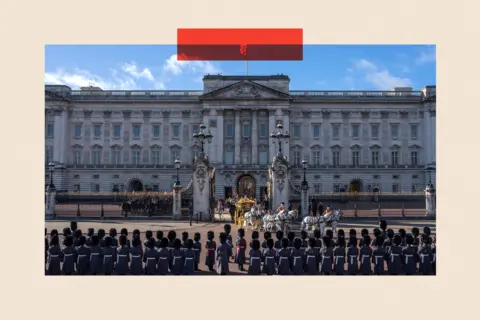
Professor Whitelock finds this level of media management “astonishing,” noting that if such control were exercised by government officials, it would be widely reported. She questions why similar scrutiny is not applied to the Palace’s interventions.
In response, Buckingham Palace stated that the funeral combined state protocol with personal mourning, and that sensitivity was necessary to respect individual grief, especially among younger family members.
Prince William’s Down-to-Earth Image
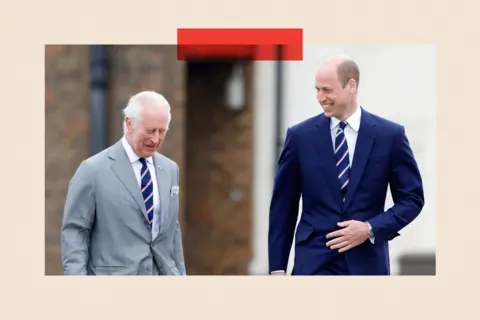
Recently, Prince William appeared alongside Canadian actor Eugene Levy in a travel comedy series, where he was seen zipping around Windsor Castle on an e-scooter. William joked about using it to avoid being late to meetings, projecting an image of approachability and relatability.
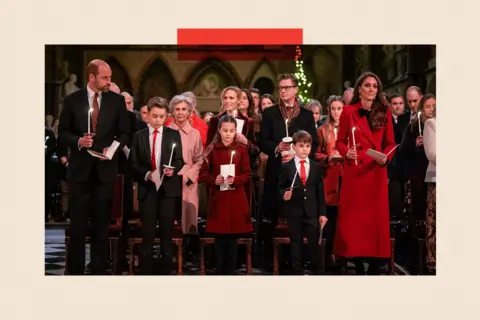
Similarly, the social media presence of William and Catherine, Princess of Wales, often showcases informal family moments-outdoor walks, candid reflections, and personal milestones such as Catherine’s recent completion of chemotherapy, where she emphasized the power of love and support.
Advertising veteran Rory Sutherland praises this modernized tone, calling William’s approach a “delicate balance between tradition and contemporary relevance.” He contrasts it favorably with the more awkward public appearances of the previous generation, such as the 1987 charity event It’s a Royal Knockout, which many found undignified.
These efforts appear effective: recent YouGov polls show William and Catherine enjoy approval ratings of 76% and 73%, respectively-the highest among senior royals.
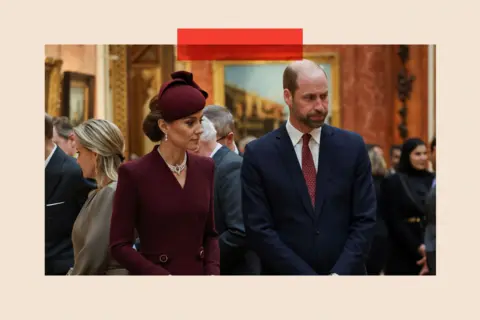
Despite this positive reception, Professor Whitelock cautions that greater transparency and accountability are essential for meaningful modernization of the monarchy.
Financial Transparency, Political Influence, and Public Perception
My research uncovered several issues that may hinder broader public support. Firstly, the monarch is not legally required to pay income or capital gains tax on personal income, doing so voluntarily instead. Similarly, King Charles III was not obligated to pay inheritance tax following Queen Elizabeth II’s passing.
Rory Sutherland suggests voluntary compliance is preferable to enforced measures, as it projects goodwill. Kensington Palace confirms that Prince William pays the highest rates of income and capital gains tax on his personal earnings, including those from the Duchy of Cornwall, though he has not publicly released his tax returns as his father did.
Secondly, the monarch retains the constitutional right to be consulted on legislation affecting the Crown and can request exclusion from certain laws. While the extent of this influence is debated, the mere existence of such powers raises concerns about political neutrality.
Finally, the royal lifestyle itself can be contentious, especially amid ongoing cost-of-living challenges for many Britons. While living in palaces is not widely criticized, extravagant holidays-such as skiing trips-are sometimes viewed as out of touch.
Though the monarchy undeniably contributes economically through tourism, Sutherland argues that financial arguments alone are insufficient to justify its continuation.

Lessons from European Monarchies and the Path Ahead
Prince William has openly acknowledged his intention to implement change, stating, “It’s safe to say that change is on my agenda… not radical, but necessary.” He questions whether certain traditions remain relevant or effective in today’s world.
What these changes might entail remains uncertain-whether trimming the number of courtiers, reducing ceremony, or altering formal protocols. Some have proposed aligning the British monarchy more closely with the informal, modest styles of Dutch or Scandinavian royal families.
Professor Whitelock believes William may favor less ostentatious traditions, such as the elaborate coronation regalia. However, she warns that many supporters cherish these ceremonies, and diminishing them could provoke questions about the monarchy’s purpose.
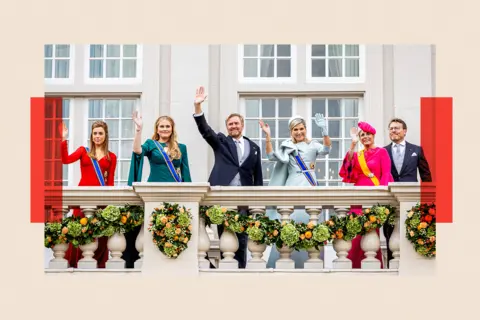
Graham Smith, CEO of the republican campaign group Republic, remains unconvinced by reform efforts. He argues, “No family should hold such privilege and status based solely on ancestry. They are ordinary people linked to historical power, but the institution itself lacks justification.”
While acknowledging a significant audience for the monarchy, Smith compares it to the popularity of celebrities like the Kardashians or David Beckham, implying that fame alone does not legitimize the institution.
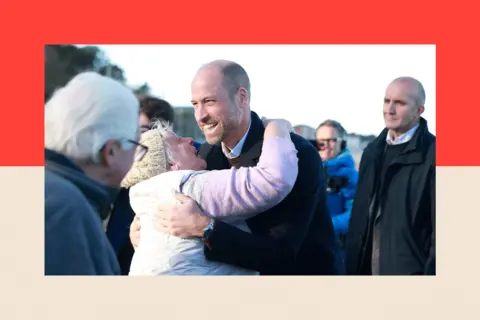
Resilience Through Reinvention: The Monarchy’s Historical Comebacks
I vividly recall one of the monarchy’s most challenging moments: the death of Diana, Princess of Wales, in 1997. As a BBC reporter, I witnessed the unprecedented public outpouring of grief and the initial criticism of the Royal Family’s response, particularly their absence from London during the early days.
Lord Janvrin, present at Balmoral with the Queen, explained the difficult choice between supporting the grieving princes and returning to the capital. The episode underscored the harsh demands placed on the monarchy and the necessity of managing public perception carefully.
Support for the monarchy dipped further after Diana’s death, falling to 63.5% in the following year’s British Social Attitudes survey. However, over time, approval rebounded, reaching 75% by 2012, demonstrating the institution’s capacity for recovery.
Rory Sutherland highlights the monarchy’s remarkable cultural adaptability, noting that while an 18th-century monarchy might seem outdated today, its ability to evolve has ensured its survival where many others have failed.
Ultimately, the monarchy’s fate depends on the public’s continued endorsement-the “oxygen” that sustains it. Whether Prince William, Prince George, or future heirs can maintain this support remains to be seen, but the decision lies with the people.
David Dimbleby’s documentary series, What’s the Monarchy For?, premieres Tuesday 2 December on BBC1 and BBC iPlayer.
BBC InDepth offers comprehensive analysis and fresh perspectives on major issues. Sign up for notifications to stay updated on new stories here.
