
Table of Contents
Table of Contents
Denver Broncos’ Alex Singleton Battles Testicular Cancer While Continuing to Play
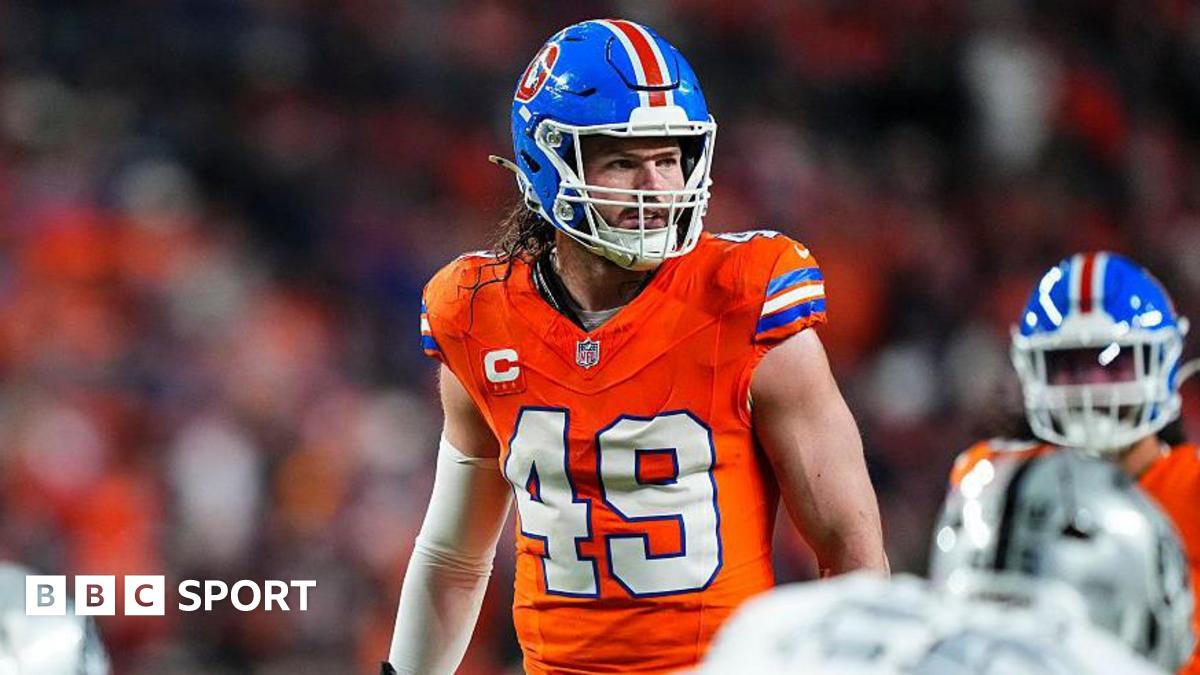
In an inspiring display of resilience, Denver Broncos linebacker Alex Singleton took to the field in their recent 10-7 triumph over the Las Vegas Raiders despite having been diagnosed with testicular cancer just days prior.
Early Diagnosis and Immediate Action
The 31-year-old athlete underwent surgery last Friday to excise an early-stage cancerous tumor, a procedure that followed his standout performance where he recorded nine tackles during the game at Mile High Stadium. Remarkably, the surgery came only a day after his impactful contribution on defense.
How the Diagnosis Came About
Singleton revealed on his Instagram that his health concerns began more than two weeks ago after a routine drug screening detected unusually high levels of the hormone hCG (human chorionic gonadotropin), which can be a marker for testicular cancer.
Following this, a consultation with a urologist and an ultrasound examination confirmed the presence of the malignancy.
Optimism and Encouragement for Early Detection
Post-surgery, Singleton expressed confidence in his recovery, anticipating a return to professional play within weeks as he awaits further medical evaluations. He emphasized the positive outlook, stating he has “a great prognosis.”
He candidly shared the internal struggle of making his diagnosis public but ultimately chose transparency to raise awareness. “If sharing my story encourages even one person to be more vigilant about their health, it’s worth it,” Singleton said.
His message underscores the critical importance of early detection and routine health screenings, which are proven to significantly improve survival rates and reduce emotional hardship for patients and their families. According to the American Cancer Society, testicular cancer has a five-year survival rate exceeding 95% when caught early.
Raising Awareness Through Personal Experience
Singleton’s experience serves as a powerful reminder for men, especially athletes who may overlook subtle symptoms, to prioritize regular medical check-ups. Similar to how marathon runner Ryan Shay’s sudden cardiac event in 2007 heightened awareness about heart health in athletes, Singleton’s openness could inspire proactive health monitoring in the sports community and beyond.
