
Table of Contents
Table of Contents
- Massive Crypto Fraud Linked to Chinese Pensioners Faces Sentencing in UK
- From China to London: The Rise and Fall of Qian Zhemin
- Investor Hopes and Government Implications
- Qian’s Arrival and Lifestyle in the UK
- Living the Dream While Planning Grand Ambitions
- Unveiling the Largest UK Cryptocurrency Seizure
- Investor Experiences: Trust Built on Small Returns
- Exploiting Vulnerabilities: The Human Cost of the Scam
- High-Profile Endorsements and Secrecy
- Collapse and Legal Proceedings
- Looking Ahead: Restitution and Challenges for Victims
- The Human Toll Beyond Financial Loss
Tony HanGlobal China Unit
Metropolitan Police
Massive Crypto Fraud Linked to Chinese Pensioners Faces Sentencing in UK
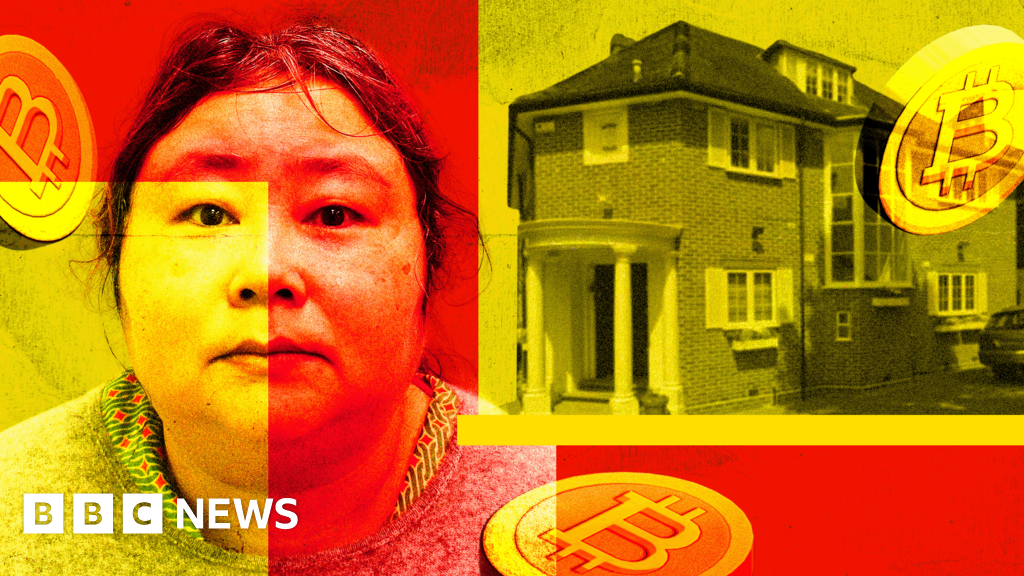
A woman accused of laundering billions of pounds worth of cryptocurrency, allegedly stolen from thousands of elderly Chinese investors, is set to be sentenced this week. The case has drawn international attention due to the scale of the fraud and the unprecedented crypto seizure by UK law enforcement.
From China to London: The Rise and Fall of Qian Zhemin
After escaping Chinese authorities, Qian Zhemin settled in a lavish Hampstead mansion in North London, paying over £17,000 monthly in rent. A year later, the Metropolitan Police raided her residence, confiscating what is believed to be the largest cryptocurrency haul ever seized in the UK.
Qian’s company attracted investments from more than 100,000 Chinese individuals, promising cutting-edge health technologies and cryptocurrency mining ventures. However, investigations revealed that these claims were a façade for a sophisticated embezzlement scheme. As she awaits sentencing, many defrauded investors are appealing to UK authorities for restitution.
Investor Hopes and Government Implications
Victims, including one identified as Mr Yu, whose personal life was devastated by the scam, are urging the UK government, Crown Prosecution Service, and judiciary to act with empathy. They hope the recovered Bitcoin can help recoup some of their losses. Unclaimed funds typically revert to the UK Treasury, sparking speculation about potential government gains from the case.
Qian’s Arrival and Lifestyle in the UK
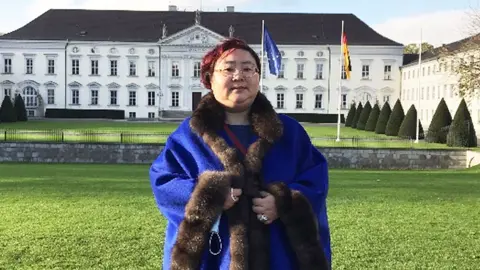
Qian entered the UK in September 2017 using a forged passport, fleeing a Chinese police investigation. She rented a grand home near Hampstead Heath and maintained her extravagant lifestyle by converting her cryptocurrency holdings into liquid assets. To facilitate this, she masqueraded as a wealthy heiress in antiques and diamonds, employing a former takeaway worker, Wen Jian, to manage asset conversions including cash and real estate.

Metropolitan Police
Living the Dream While Planning Grand Ambitions
As Bitcoin’s value surged, Qian’s company fulfilled its promise of “earning wealth effortlessly.” Wen Jian, who was sentenced to six years for money laundering, revealed that Qian spent much of her time gaming and shopping online. Yet, her diary disclosed audacious plans: establishing an international bank, purchasing a Swedish castle, and even courting British nobility.
Her most extraordinary aspiration was to become the monarch of Liberland, a self-declared micronation on the Croatian-Serbian border, by 2022. Meanwhile, she directed Wen to scout for luxury properties in London. A failed attempt to acquire a large estate in Totteridge Common, an exclusive neighborhood, triggered police scrutiny when Wen could not justify Qian’s wealth.

Unveiling the Largest UK Cryptocurrency Seizure
Police raids on Qian’s Hampstead home uncovered laptops and hard drives containing tens of thousands of Bitcoins, marking the UK’s largest crypto confiscation to date. Qian had founded Lantian Gerui (Bluesky Greet) in China just four years prior, a company that purported to mine Bitcoin and invest in innovative tech products.
Authorities now believe the enterprise was a front for a massive Ponzi scheme, luring investors with promises of high returns. Detective Constable Joe Ryan of the Metropolitan Police described Qian as a highly intelligent and manipulative leader who deceived thousands.
Investor Experiences: Trust Built on Small Returns
Mr Yu, one of the defrauded investors, explained that the company’s strategy involved paying modest daily returns-around 100 yuan ($14)-to build trust and encourage further investment. This tactic led many, including Mr Yu and his wife, to borrow money at high interest rates to increase their stakes, believing in promised profits of 200% over two and a half years.
Reinvesting daily payouts became a habit for many, fueled by the company’s relentless promotion and the investors’ own hopes, ultimately leading to devastating losses.

Chinese social media
Exploiting Vulnerabilities: The Human Cost of the Scam
Lantian Gerui’s marketing targeted the loneliness and patriotism of middle-aged and elderly Chinese citizens. Qian penned poems emphasizing social responsibility and filial love, while the company hosted extravagant gatherings to promote further investments. Documents reveal that over 120,000 people from every Chinese province invested more than 40 billion yuan ($5.6 billion, £4.2 billion).
Former employees testified that daily payouts were funded by new investors’ money rather than legitimate mining profits. The company’s patriotic rhetoric, including endorsements from prominent figures such as the son-in-law of Chairman Mao, further bolstered trust among older investors.
High-Profile Endorsements and Secrecy
Qian maintained a low profile, communicating mainly through poetic blog posts and using the pseudonym “Huahua” or “Little Flower.” However, she personally engaged with top-tier investors who contributed at least 6 million yuan ($842,000), hosting exclusive events where she inspired grand visions of wealth lasting generations.
One such investor, Mr Li, along with his family, invested approximately 10 million yuan ($1.3 million). They were captivated by Qian’s charisma and promises of unprecedented financial success.

Alamy
Collapse and Legal Proceedings
The unraveling began in mid-2017 when Chinese authorities launched an investigation into Lantian Gerui. Investor payouts abruptly ceased, with company officials attributing the halt to police checks and promising a swift resumption. However, these assurances were part of a cover-up, as Qian had bribed senior managers to placate investors while she fled to the UK.
Her diary revealed a plan to repay debts once Bitcoin’s price hit £50,000 per coin, but her primary focus remained on her Liberland ambitions, allocating millions for its development.
Qian was arrested in York in April last year. At the time, four individuals were found living in her home, employed illegally in roles such as shopping and security. Initially denying all charges and claiming persecution by the Chinese government, she later pleaded guilty to illegal possession and acquisition of cryptocurrency during her September trial.
Looking Ahead: Restitution and Challenges for Victims
Mr Li described Qian’s guilty plea as a “ray of hope” for victims. Since her arrival in the UK, the value of the seized cryptocurrency has increased more than twentyfold. A civil “proceeds of crime” case is scheduled to begin next year to determine the distribution of these assets.
Thousands of Chinese investors intend to file claims, but proving ownership will be complex, as many funds were funneled through local promoters rather than directly to Qian’s company. It remains uncertain whether victims will recover their initial investments or amounts adjusted for Bitcoin’s appreciation.
Any residual funds after compensation typically revert to the UK government. The Treasury has not disclosed plans for such funds. Meanwhile, the Crown Prosecution Service is exploring a compensation scheme for unrepresented victims, though details remain confidential.
The Human Toll Beyond Financial Loss
For Mr Yu, the fraud’s impact extended beyond money, contributing to his divorce and estrangement from his son. Many investors faced dire consequences, including destitution and inability to afford basic necessities. Mr Yu recounted the story of a woman from Tianjin who died of breast cancer after leaving hospital due to financial hardship.
Honoring her memory, Mr Yu composed a poem that concludes:
“Let us be pillars, holding up the sky / Rather than sheep, to be led and misled / To those who survive – strive harder / That we might right this grave injustice.”
