
Table of Contents
Table of Contents
New Leadership Appointment Amidst PDP’s Internal Struggles
The Peoples Democratic Party (PDP) has recently undergone a significant leadership change, appointing Mohammed Abdulrahman, the National Vice-Chairman for the North Central zone, as the new Acting National Chairman. This development comes amid escalating tensions and factional disputes within the party’s hierarchy.
Escalation of Internal Conflicts
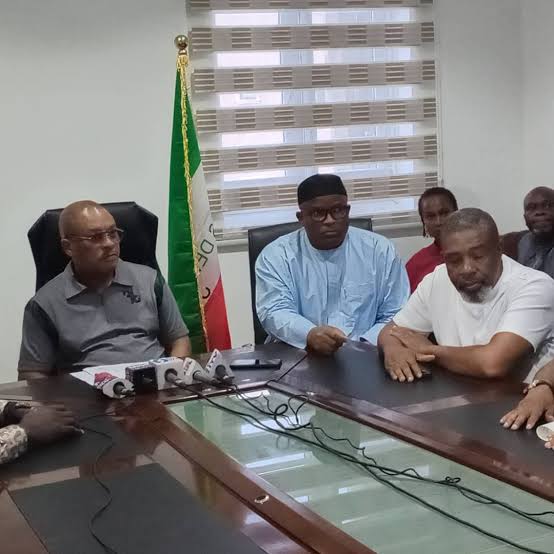
The announcement was made public on Saturday in Abuja following a contentious power struggle that has further highlighted the deep divisions within the opposition party. The National Working Committee (NWC) convened an emergency session during which several national officers were suspended, intensifying the leadership crisis.
Among those suspended were Senator Samuel Anyanwu, Umar Bature, Kamaldeen Ajibade, and Okechukwu Osuoha. The PDP justified these suspensions as measures aligned with its disciplinary framework and constitutional provisions.
Factional Rivalries and Counteractions
However, the situation rapidly evolved as a rival faction rejected the suspensions, asserting their own authority and reportedly receiving backing from influential party stakeholders. Senator Anyanwu, speaking at a separate press briefing, announced the suspension of the then Acting National Chairman, Umar Damagum, along with other NWC members, affirming the legitimacy of his faction’s decisions.
He further disclosed that Mohammed Abdulrahman was mandated to assume the role of Acting National Chairman, while Chinwe Nnorom, the party’s Director of Publicity, was appointed to manage official communications “until further notice.”
Notably, the National Legal Adviser participated remotely from Canada, endorsing the faction’s resolutions, underscoring the international dimension of the party’s internal deliberations.
Judicial Intervention and Its Implications
This leadership clash unfolded shortly after a Federal High Court in Abuja issued an injunction halting the PDP’s planned national convention slated for November 15. This judicial decision has compounded concerns about the party’s cohesion as it approaches critical political engagements.
Contextualizing the Crisis
The ongoing discord within the PDP reflects a broader pattern of factionalism that has beleaguered the party for several years. With Nigeria’s 2027 general elections on the horizon, the party’s ability to present a united front remains uncertain. Similar internal disputes have historically weakened opposition parties in Nigeria, as seen in the 2019 elections when leadership rifts contributed to electoral setbacks.
Looking Ahead
As the PDP navigates this turbulent period, the resolution of its leadership disputes will be critical to its political viability. Observers note that the party’s internal cohesion will significantly influence its performance in upcoming electoral contests and its role in Nigeria’s democratic landscape.
