
Table of Contents
How Digital Relays Are Transforming Electrical System Protection and Control
Digital relays are at the forefront of modernizing electrical system management by offering enhanced precision, rapid response, and intelligent fault handling. Unlike traditional electromechanical relays, these microprocessor-driven devices provide superior accuracy and real-time monitoring capabilities that are vital for today’s complex power networks.
By continuously measuring critical electrical parameters such as voltage, current, and frequency, digital relays swiftly detect abnormalities and trigger protective mechanisms to safeguard equipment and infrastructure. Their integration with automation technologies significantly boosts the dependability and security of electrical grids, making them indispensable in industrial and utility applications.
Understanding the Critical Functions of Digital Relays in Power Systems
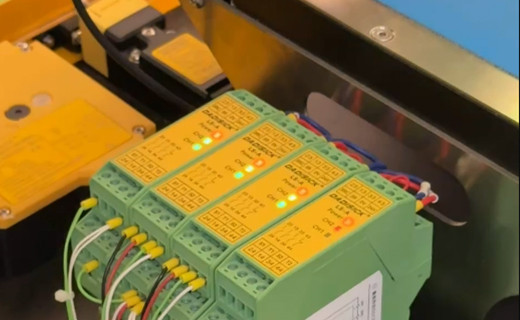
Also referred to as numerical relays, digital relays utilize embedded microprocessors to oversee and regulate essential electrical variables. Compared to legacy relays, they deliver faster fault detection, enhanced precision, and a wider array of configurable protection features. These attributes are crucial for maintaining stability in modern power distribution systems where rapid intervention is necessary to prevent outages or damage.
A primary role of digital relays is fault identification. By continuously analyzing electrical signals, they can recognize issues such as overcurrent conditions, short circuits, or phase discrepancies. Upon fault detection, digital relays can automatically trip circuit breakers to isolate the affected section, thereby preserving overall system integrity.
Furthermore, digital relays offer extensive programmability, allowing engineers to tailor responses based on fault type and severity. This adaptability is especially beneficial in intricate electrical networks where conventional protection schemes may fall short.
Advancing System Monitoring with Digital Relay Technology
Beyond protection, digital relays play a pivotal role in enhancing system visibility. Equipped with sophisticated communication protocols like IEC 61850 and Modbus, they relay real-time data to centralized control centers, enabling operators to monitor system status remotely and respond promptly to emerging issues.
These devices also excel in data logging, capturing detailed historical performance metrics. This archived information supports trend analysis, helps identify recurring faults, and informs predictive maintenance strategies. For example, utilities leveraging digital relay data have reported up to a 30% reduction in unplanned downtime by proactively addressing equipment degradation.
Integration with digital dashboards and SCADA (Supervisory Control and Data Acquisition) platforms provides a holistic overview of network health. Operators can track performance trends, detect subtle anomalies early, and forecast potential failures, thereby improving operational reliability.
Driving Automation and Efficiency in Electrical Networks
Digital relays are instrumental in enabling automation within power systems. When linked with SCADA systems, they facilitate automated fault detection, isolation, and service restoration, minimizing downtime and manual intervention.
Additionally, these relays contribute to optimized load management by continuously monitoring electrical parameters and providing feedback to control units. This dynamic balancing reduces energy losses and enhances system efficiency, which is increasingly important as grids incorporate renewable energy sources and variable loads.
Predictive maintenance is another key benefit. Digital relays can alert operators to early signs of equipment wear or malfunction, allowing for timely repairs that extend asset life and prevent costly outages.
Choosing Trusted Energy Partners for Digital Relay Solutions
Implementing digital relays effectively requires collaboration with reputable energy technology providers. Established brands ensure products meet rigorous quality standards, delivering reliable, durable, and high-performance devices that reduce maintenance needs and operational expenses.
Working with recognized manufacturers also guarantees compliance with international standards such as IEC and IEEE, facilitating smooth integration into existing infrastructure and adherence to regulatory requirements. Their scalable solutions are designed to evolve with technological advancements and growing system demands.
Ultimately, partnering with trusted energy companies empowers organizations to build smarter, safer, and more efficient electrical networks powered by the advanced capabilities of digital relays.
