
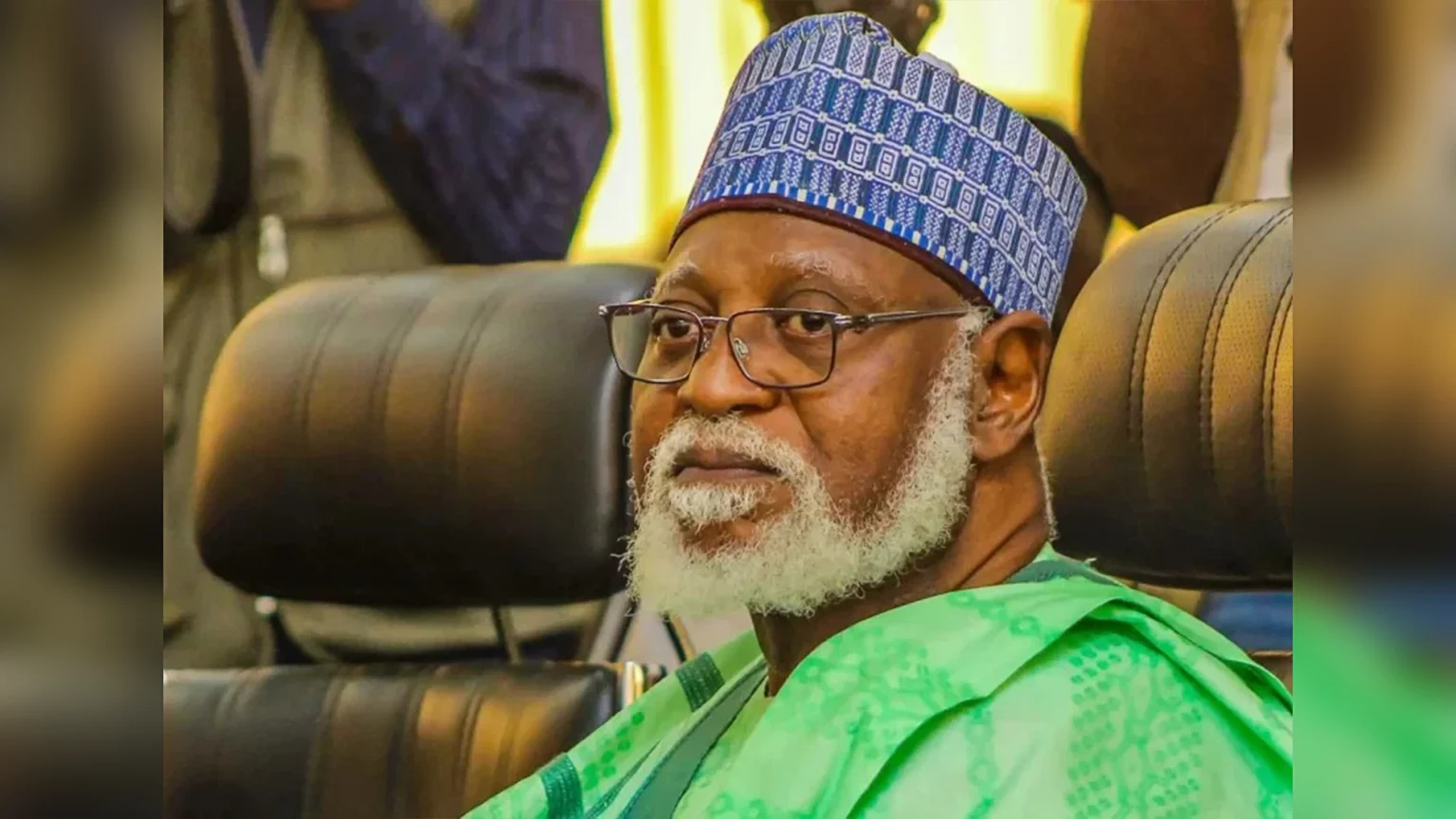
State General Abdulsalami Abubakar celebrates his 84th birthday, renewed attention is being paid to his pivotal role in one of the most significant moments in the nation’s history—the transition from military rule to democratic governance in 1999.
Abdulsalami assumed leadership in June 1998 following the sudden death of General Sani Abacha, at a time when Nigeria faced intense political uncertainty, international isolation, and widespread demands for democratic reforms. The country was deeply divided, and confidence in government institutions had been severely weakened after years of military rule.
Upon taking office, Abdulsalami moved swiftly to chart a new course. He initiated a transition programme that many observers initially doubted could be completed within the promised timeframe. However, within less than a year, political activities resumed, political prisoners were released, and preparations began for a return to civilian government.
One of the most consequential decisions of his administration was the organisation of elections that paved the way for the emergence of former President Olusegun Obasanjo as Nigeria’s democratically elected leader. On May 29, 1999, Abdulsalami handed over power to a civilian government, becoming one of the few military leaders in Africa to voluntarily transfer authority after a relatively short tenure.
Political analysts and historians often credit his administration with laying the foundation for Nigeria’s Fourth Republic, which remains the country’s longest uninterrupted democratic era. His willingness to prioritise national stability over political ambition has continued to earn him respect across political and regional divides.
Beyond the transition, Abdulsalami has remained an influential statesman, frequently serving as a mediator in political disputes and advocating for peace, dialogue, and national unity. Through the Abdulsalami Abubakar Institute for Peace and Sustainable Development and other initiatives, he has contributed to conflict resolution efforts within Nigeria and across Africa.
As tributes pour in from political leaders, diplomats, and civil society groups, many have reflected on the critical choices made during his brief period in office—decisions that altered the course of Nigeria’s political history and helped establish a democratic framework that has endured for more than two decades.
At 84, Abdulsalami’s legacy continues to be defined not only by his time in power but also by the statesmanship and restraint that guided Nigeria through a delicate transition. For many Nigerians, his role in restoring democratic rule remains one of the most important chapters in the country’s modern political journey.
The transition overseen by former military leader Abdulsalami Abubakar in 1998–1999 is widely regarded as a turning point that paved the way for Nigeria’s current democratic era.
