
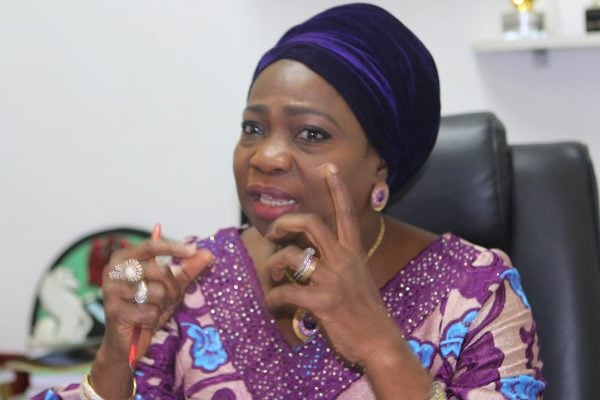
The Chairman of the Nigerians in Diaspora Commission (NiDCOM), Abike Dabiri-Erewa, has strongly condemned the alleged maltreatment of Nigerians residing in South Africa, describing their experiences as painful, unacceptable, and deeply troubling.
Speaking after the arrival of the first batch of 258 Nigerians evacuated from South Africa, Dabiri-Erewa said many of those affected had committed no offence and were targeted simply because they were black migrants.
“The only crime they committed was the colour of their skin,” she stated, stressing that criminal actions should be addressed on an individual basis rather than through the blanket profiling of an entire nationality.
According to her, the returnees narrated distressing experiences of discrimination, segregation, and degrading treatment while living in South Africa. Some reportedly claimed they were treated “like slaves,” while others alleged that migrant families were isolated and their children separated from local pupils.
Dabiri-Erewa expressed disappointment over what she described as the inadequate response from South African authorities, urging the government to take decisive steps to protect foreign nationals within its borders.
She disclosed that diplomatic engagements between Nigeria and South Africa were ongoing, adding that the Federal Government would determine the next line of action through the Ministry of Foreign Affairs and the Presidency.
“Enough is enough,” the NiDCOM boss declared, emphasizing that African migrants deserve dignity, protection, and equal treatment regardless of their nationality.
She further revealed that additional batches of Nigerians are expected to return home in the coming days as evacuation efforts continue. According to her, Nigerian authorities remain in active discussions with their South African counterparts to address the situation and prevent a recurrence.
The latest development has reignited concerns over xenophobic incidents in South Africa, where migrants from several African countries have, over the years, faced hostility, violence, and accusations related to crime and unemployment.
Observers say the recurring attacks underscore the urgent need for stronger diplomatic cooperation, public awareness campaigns against xenophobia, and more effective measures to safeguard the rights and safety of African migrants across the continent.
As more Nigerians return home with accounts of hardship and exclusion, calls are growing louder for lasting solutions that promote unity, justice, and the protection of human rights throughout Africa.
Oyogist reported that Dabiri-Erewa made the remarks following the arrival of the first group of evacuated Nigerians from South Africa, with more returnees expected in subsequent batches.
