
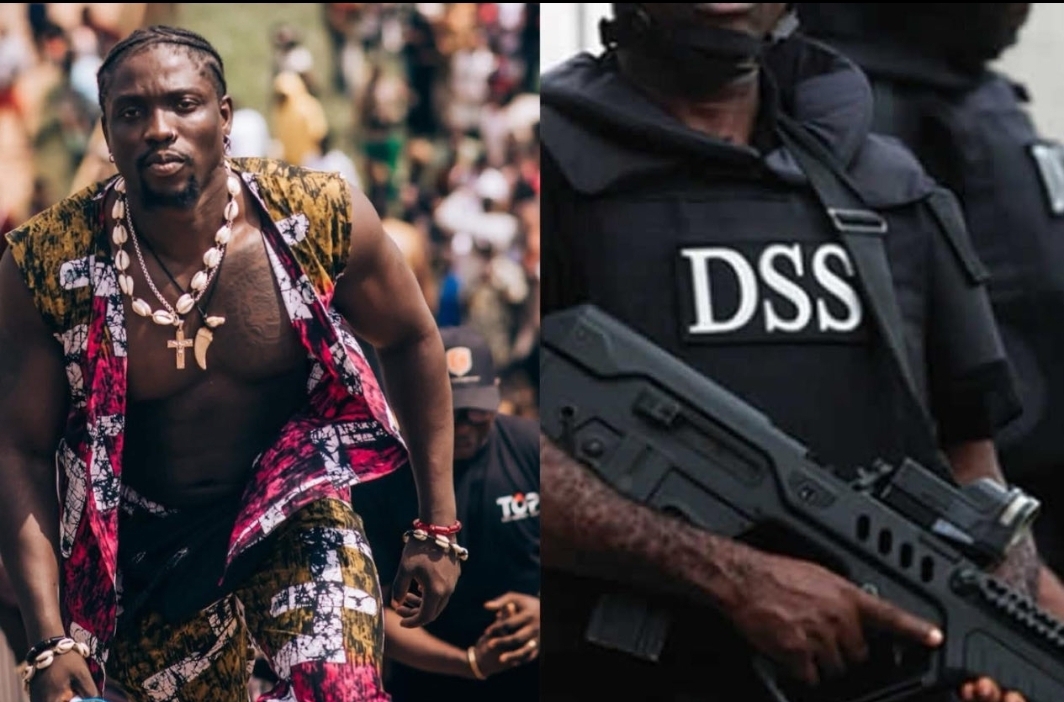
Nigerian social media personality and activist VeryDarkMan has once again found himself at the center of national conversation after reports emerged that he advised supporters not to organize protests if he is arrested. According to messages circulating widely online, the outspoken commentator reportedly urged Nigerians to remain focused on issues affecting the country’s democratic future, particularly electoral reforms and governance, rather than making his personal situation the center of public attention.
The statement has generated strong reactions across social media, where supporters have praised what they describe as a selfless commitment to national interests above personal concerns. Many see the message as consistent with VeryDarkMan’s public image, which has been built around confronting controversial issues, criticizing institutions, and amplifying concerns affecting ordinary Nigerians. His supporters argue that the focus should remain on broader national conversations rather than any individual personality, regardless of popularity or influence.
At the same time, critics caution against elevating any public figure into a symbolic movement without carefully examining the facts surrounding any potential legal disputes. Nigeria’s political and social landscape has witnessed numerous moments where personalities became larger than the issues themselves, sometimes distracting from the deeper reforms citizens sought to achieve. Whether or not any arrest materializes, the discussion surrounding VeryDarkMan’s comments highlights the growing influence of digital activism in Nigeria and the extent to which social media personalities now shape public discourse.
Perhaps most significantly, the episode reflects a changing generation of civic engagement where online voices can mobilize millions within hours. As the country continues navigating economic challenges, political reforms, and questions about democratic accountability, figures like VeryDarkMan have become important participants in conversations that were once dominated exclusively by politicians and traditional institutions. The coming weeks may determine whether this latest development becomes another viral moment or evolves into a broader discussion about activism, citizenship, and the responsibilities of influential public voices.
