
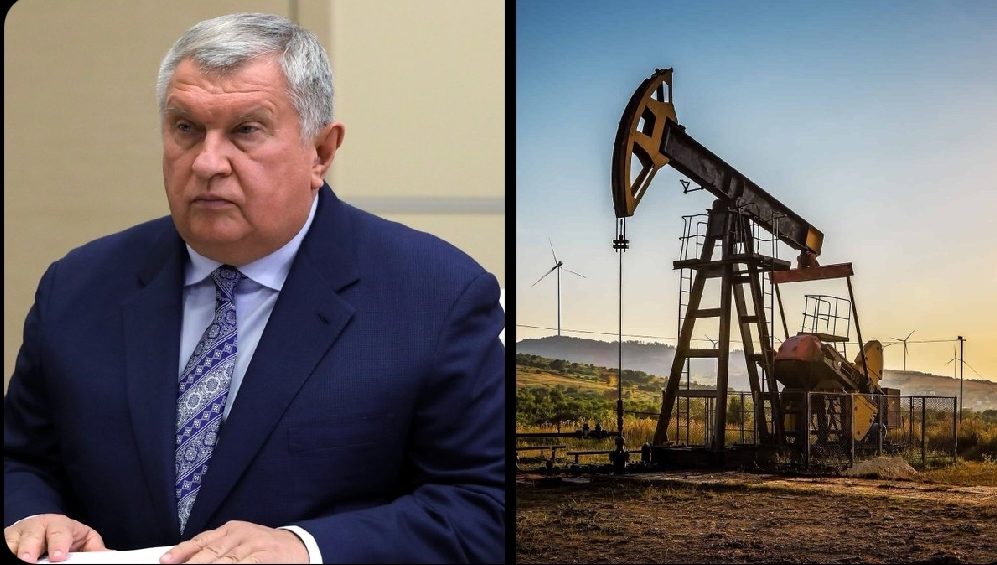
The chief executive of Russian energy giant Rosneft, Igor Sechin, has accused the United States of benefiting disproportionately from disruptions in the Strait of Hormuz, one of the world’s most strategically important oil shipping routes. Speaking during the St. Petersburg International Economic Forum, Sechin argued that American energy companies have emerged as the biggest winners from the crisis while accusing Washington of attempting to reshape global energy markets to serve its own economic interests.
The Strait of Hormuz handles a significant portion of the world’s oil exports, making any disruption a major concern for governments, businesses, and consumers worldwide. According to Sechin, market instability caused by the crisis has created advantages for U.S. energy producers by allowing higher-cost American oil to compete more effectively in global markets. He warned that prolonged disruptions could have broader consequences, including weakening oil demand and accelerating investment in alternative energy technologies.
The comments reflect the increasingly geopolitical nature of global energy markets. As conflicts, sanctions, and strategic rivalries reshape supply chains, major energy producers are competing not only for customers but also for influence over the future structure of the global energy system. Whether Sechin’s accusations gain traction internationally remains uncertain, but the remarks underscore how energy security continues to sit at the center of global political and economic tensions.
