
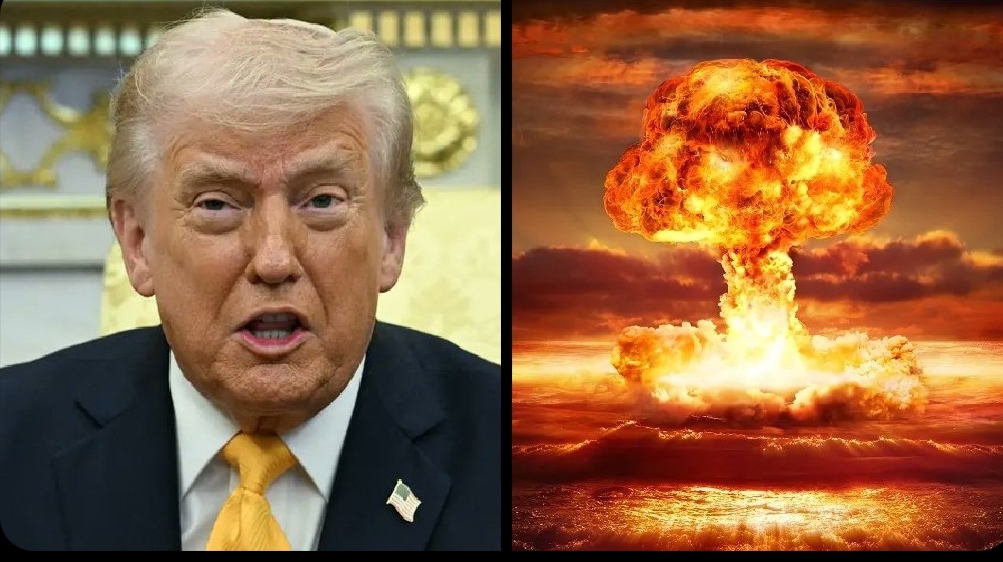
President Donald Trump has announced what could become one of the most significant diplomatic developments in the Middle East in years, stating that Iran has agreed it will not pursue nuclear weapons. The declaration comes amid ongoing negotiations between Washington and Tehran and has immediately sparked debate among policymakers, analysts, and international observers about whether a genuine breakthrough is emerging or whether the announcement is merely the latest stage in a long and difficult negotiating process.
Speaking in a recent interview, Trump said Iran had agreed not to possess a nuclear weapon and suggested that senior Iranian leadership remains directly involved in the talks. According to the U.S. president, discussions have made meaningful progress, raising hopes that a formal agreement could eventually reduce tensions that have defined relations between the two countries for decades. Trump also indicated that diplomatic engagement remains active and that further negotiations could follow if current discussions continue in a positive direction.
The significance of such an agreement cannot be overstated. Iran’s nuclear ambitions have been at the center of international security concerns for more than two decades. Successive American administrations, European governments, Israel, and Gulf states have argued that preventing Iran from acquiring nuclear weapons is essential to maintaining regional stability. Tehran, meanwhile, has consistently maintained that its nuclear activities are intended for peaceful purposes, although disputes over uranium enrichment and inspection regimes have repeatedly fueled international tensions.
Trump’s comments also arrive against the backdrop of a dramatically altered Middle Eastern landscape. Recent military confrontations, economic sanctions, and regional realignments have increased pressure on all sides to seek a diplomatic solution. Supporters of the negotiations argue that a verified commitment by Iran not to develop or acquire nuclear weapons could reduce the risk of future conflict and help stabilize global energy markets. Critics, however, remain cautious, noting that previous agreements have faced implementation challenges and that long-term success will depend on verification mechanisms and sustained political commitment from both sides.
Adding another layer to the story are comments from Israeli Prime Minister Benjamin Netanyahu, who recently suggested that he and Trump remain largely aligned on Iran despite occasional tactical disagreements. Such statements indicate that Washington and Jerusalem continue to coordinate closely on one of the region’s most sensitive security issues. While differences may exist regarding strategy, both governments have consistently maintained that Iran must not be allowed to obtain a nuclear weapon.
Whether Trump’s announcement ultimately leads to a formal and lasting agreement remains uncertain. What is clear, however, is that the negotiations have entered a potentially decisive phase. If successful, the talks could reshape Middle Eastern geopolitics and reduce one of the world’s most persistent sources of international tension. If they fail, the region could once again find itself confronting renewed instability and heightened security risks. For now, diplomats, investors, and governments around the world are watching closely as one of the most consequential geopolitical stories of the year continues to unfold.
