
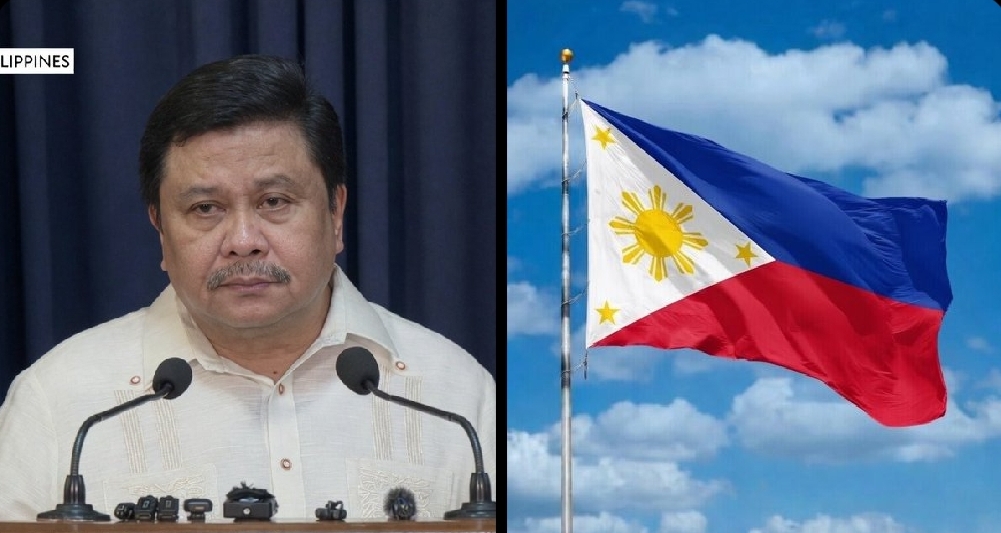
The Philippines has been thrust into another major political storm after Senator Jinggoy Estrada was arrested and detained over allegations that he received more than 573 million Philippine pesos (approximately $9.3 million) in kickbacks connected to government flood-control projects. The arrest, ordered by the country’s anti-graft court, marks one of the most significant corruption cases in Southeast Asia this year and has reignited public debate about accountability, political dynasties, and the misuse of taxpayer funds. According to prosecutors, the case centers on alleged illicit payments tied to public infrastructure projects intended to protect communities from devastating floods, making the accusations particularly sensitive given the importance of such projects to public safety and disaster management.
Estrada voluntarily surrendered to authorities after a warrant for his arrest was issued by the Sandiganbayan, which found probable cause to proceed with plunder and graft charges. The plunder charge is especially serious because it is considered a non-bailable offense under Philippine law. Prosecutors allege that the senator benefited from a system of kickbacks connected to flood-control contracts, while Estrada has strongly denied the accusations and vowed to defend himself in court. Following standard procedures, he underwent booking, processing, and was subsequently detained pending further legal proceedings.
The scandal has struck a nerve across the country because it involves funds meant for flood mitigation, an issue that affects millions of Filipinos every year. The Philippines experiences frequent typhoons and severe flooding, making infrastructure projects critical to protecting lives and property. Critics argue that any diversion of funds from such projects not only constitutes financial misconduct but also potentially places communities at greater risk. The controversy has already fueled renewed calls for stronger oversight of public spending and stricter enforcement of anti-corruption laws.
Beyond the courtroom, the case carries significant political implications. Estrada is a veteran politician and the son of former Philippine President Joseph Estrada, whose own presidency was overshadowed by corruption allegations. The arrest therefore adds another chapter to a long-running national conversation about political accountability and the influence of powerful families in Philippine politics. With public trust in institutions already under pressure, many observers see the case as a critical test of whether the country’s anti-corruption mechanisms can function independently regardless of political status.
As legal proceedings continue, the outcome will be closely watched both domestically and internationally. For supporters of anti-corruption reforms, the arrest demonstrates that senior political figures can still be held accountable. For critics, the challenge will be ensuring that the judicial process remains transparent, impartial, and free from political interference. Whatever the verdict ultimately proves to be, the case has already become one of the defining political stories of 2026 in the Philippines.
