
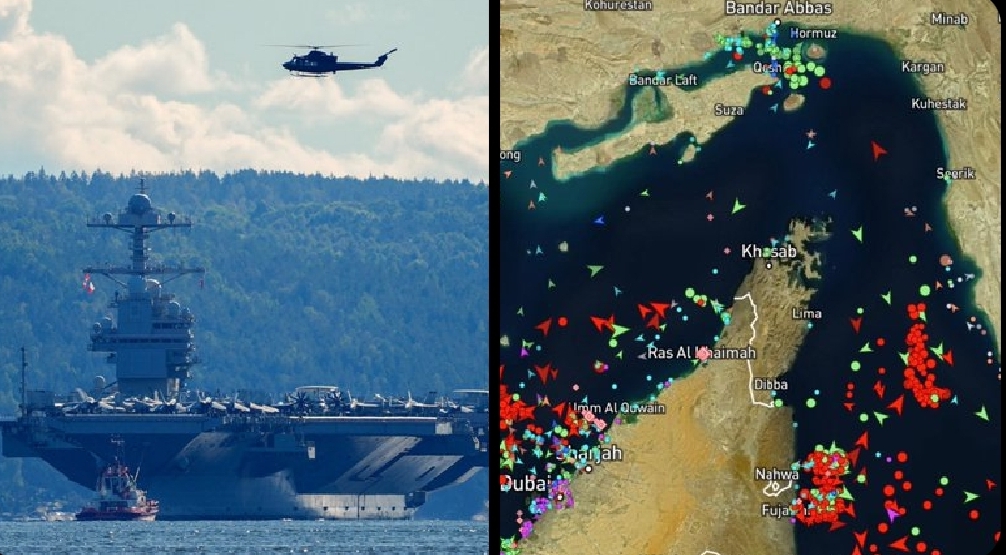
The United States has intensified its military presence in one of the world’s most strategically important waterways after the United States Navy began escorting ships through the Strait of Hormuz amid growing concerns over drone threats and regional instability.
The Strait of Hormuz serves as a critical artery for global energy supplies, connecting the Persian Gulf to international markets. A substantial percentage of the world’s oil exports passes through the narrow waterway, making any disruption a matter of global economic concern. Over the years, tensions involving Iran, Western powers, and regional actors have repeatedly transformed the strait into a focal point of international security discussions.
The latest escort operations come as military planners assess increasing risks posed by drones and other asymmetric threats. Modern drone technology has transformed warfare, allowing state and non-state actors to project force at relatively low cost while posing significant challenges to traditional military defenses. Attacks targeting commercial vessels or energy infrastructure could have immediate consequences for shipping, oil prices, and global markets.
By escorting vessels through the region, the U.S. Navy aims to reassure allies, deter potential attacks, and ensure the continued free flow of maritime commerce. The decision also underscores broader concerns about escalating tensions across the Middle East, where multiple conflicts and rivalries remain active simultaneously.
Security experts note that while naval escorts can reduce risks, they also highlight the fragile nature of stability in the region. Any significant incident in the Strait of Hormuz could quickly reverberate throughout the global economy. As geopolitical tensions remain elevated, the waterway continues to demonstrate why it remains one of the most closely watched maritime corridors on Earth.
