
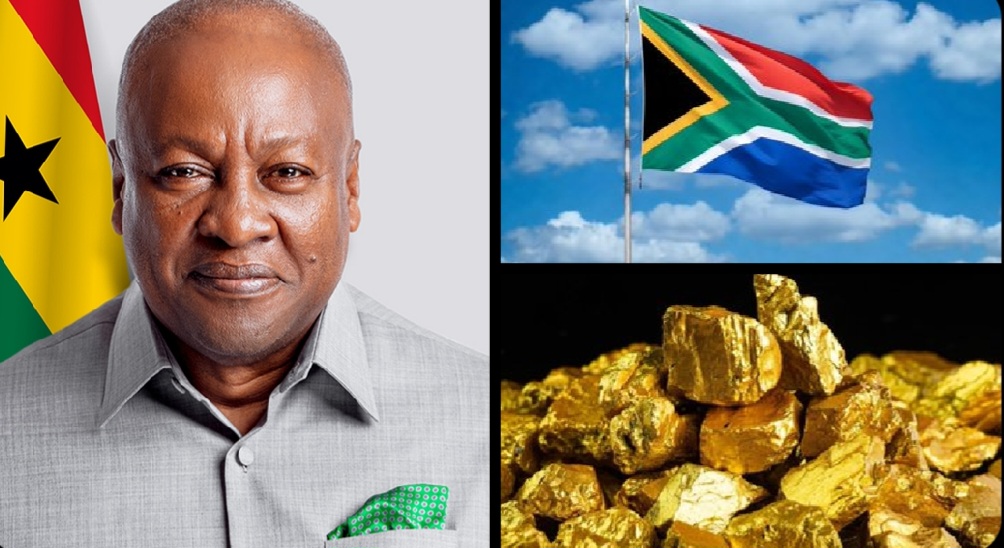
A major development in Africa’s mining industry unfolded after Ghana reportedly halted the automatic renewal of Gold Fields’ mining lease for the massive Tarkwa Mine, a site generating more than $1 billion worth of gold annually.
The decision immediately sent shockwaves through global commodity and investment markets because Tarkwa remains one of the largest and most strategically important gold mines in Africa. Gold Fields, headquartered in South Africa, has operated extensively in Ghana for years and viewed the mine as one of its core revenue-producing assets.
Ghana’s move appears tied to broader efforts among resource-rich African nations seeking greater control, higher returns, and stronger regulatory oversight over natural resource extraction. Across the continent, governments increasingly face public pressure to ensure mining wealth translates into broader national economic development rather than primarily benefiting foreign corporations.
Analysts suggest the lease dispute could trigger wider debates around investment security, sovereign resource management, and future mining agreements across Africa. While governments seek to maximize national benefit from mineral wealth, multinational companies simultaneously require regulatory stability and long-term certainty to justify billion-dollar investments.
The Tarkwa decision may therefore become a defining test case for how African nations balance economic nationalism with maintaining attractiveness to global investors in an increasingly competitive commodities market.
