
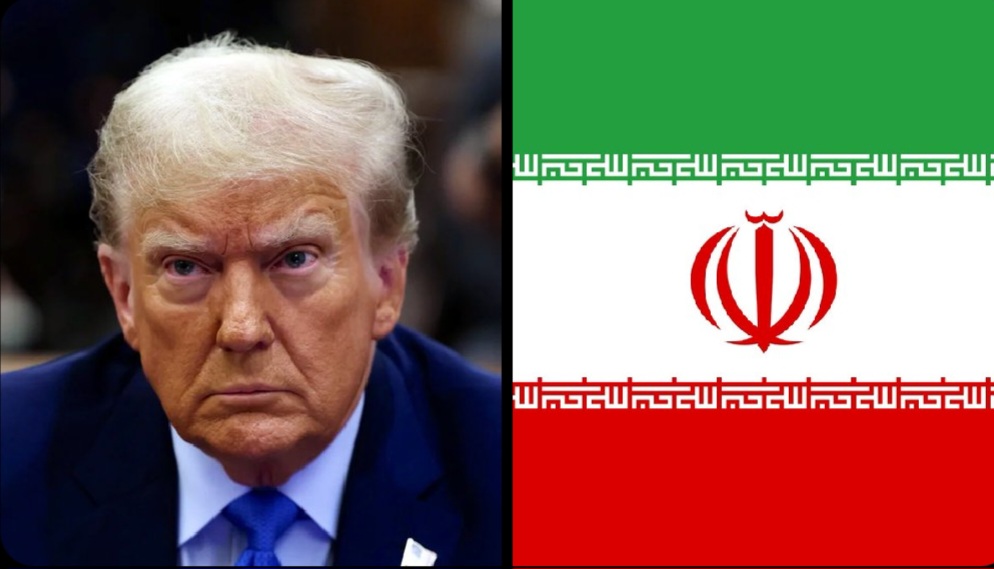
A fresh geopolitical shockwave moved through global markets and diplomatic circles after U.S. President Donald Trump declared that the United States no longer depends on the Strait of Hormuz, Middle Eastern oil, or regional energy access, insisting that Iran needs negotiations with Washington “more than we do.” The remarks come at a highly sensitive moment as tensions between the United States and Iran continue escalating across military, economic, and diplomatic fronts.
The Strait of Hormuz remains one of the world’s most strategically critical waterways, with roughly a fifth of global oil supplies historically passing through the narrow maritime corridor. For decades, U.S. military strategy in the Persian Gulf centered heavily on ensuring uninterrupted energy flows through the strait. Trump’s comments therefore represent a major rhetorical shift, signaling America’s growing confidence in domestic energy production and reduced dependence on foreign oil imports.
Analysts say the statement also serves a broader strategic purpose: weakening Iran’s leverage. Tehran has long viewed the Strait of Hormuz as one of its strongest geopolitical bargaining tools because disruptions in the waterway can rapidly affect global oil prices and economic stability. By publicly minimizing U.S. dependence on the region, Washington appears to be attempting to reduce the perceived effectiveness of Iranian threats tied to maritime disruption.
However, experts caution that even if America itself imports less Middle Eastern oil than in previous decades, the global economy remains deeply interconnected. Major supply interruptions in the Gulf would still affect worldwide energy prices, shipping costs, inflation, and allied economies. Trump’s comments therefore reflect not necessarily an end to strategic concern over the region, but rather an effort to project confidence and negotiating strength amid intensifying standoffs with Tehran.
