
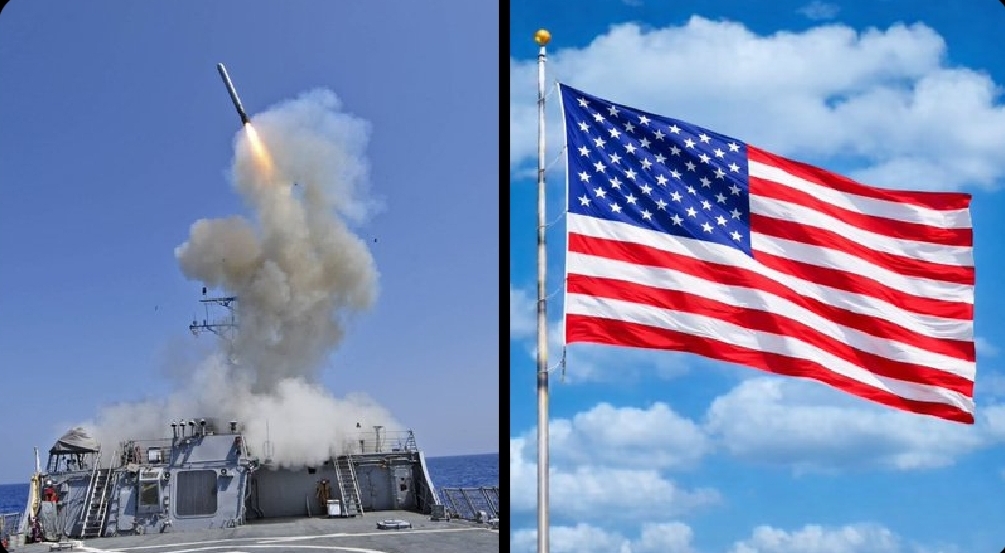
Military analysts are raising alarms after reports revealed that the United States may require at least three years to fully replenish critical weapon stockpiles heavily consumed during operations connected to the escalating Iran conflict. The revelation has intensified debate within defense circles over whether prolonged military engagements are straining America’s industrial and logistical capacity faster than it can recover.
Modern warfare depends not only on battlefield superiority but also on manufacturing endurance. Precision-guided missiles, interceptor systems, drones, and advanced munitions require sophisticated supply chains, rare materials, and highly specialized production facilities that cannot be expanded overnight. Defense experts warn that years of supporting international allies while simultaneously maintaining global military commitments have already placed unusual pressure on U.S. defense inventories.
The concern is particularly serious because depleted stockpiles may reduce readiness in other potential flashpoints involving major powers. Strategic planners have increasingly emphasized the risks of simultaneous crises emerging across Europe, the Middle East, and the Indo-Pacific region. If critical weapons inventories remain low for extended periods, America’s ability to respond quickly to multiple conflicts could become significantly constrained.
The situation also exposes broader questions about whether Western military production systems are fully prepared for sustained high-intensity warfare in the modern era. For decades, many advanced economies optimized defense industries for limited operations rather than prolonged geopolitical confrontation. The latest warnings suggest that assumption may now be facing its greatest test in years.
