
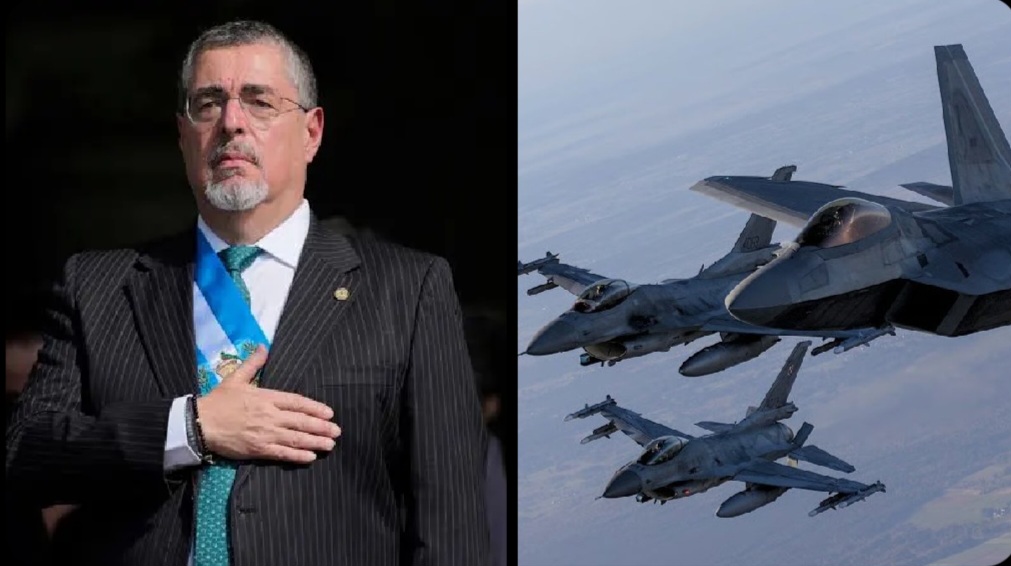
In a landmark security decision, Guatemala has reportedly authorized the United States Air Force to conduct operations targeting drug cartels operating within Guatemalan territory, marking a significant escalation in regional anti-narcotics cooperation.
The move highlights the growing influence and militarization of transnational criminal organizations across Central America, where cartels have expanded beyond drug trafficking into extortion, human smuggling, arms trafficking, and territorial control. Guatemalan authorities have struggled for years against heavily armed criminal networks that exploit weak border systems and regional instability.
Allowing direct U.S. military involvement signals both the severity of the security challenge and Washington’s increasing willingness to support aggressive counter-cartel strategies in Latin America. Supporters argue that cartel violence has evolved into a national security crisis requiring stronger multinational coordination, advanced surveillance capabilities, and rapid-response operations.
Critics, however, warn that foreign military involvement inside sovereign nations carries risks, including civilian casualties, political backlash, and fears of long-term dependency on external security intervention. The authorization nevertheless represents one of the strongest recent signs that regional governments are seeking expanded U.S. assistance to confront organized crime networks that continue destabilizing parts of the Americas.
