
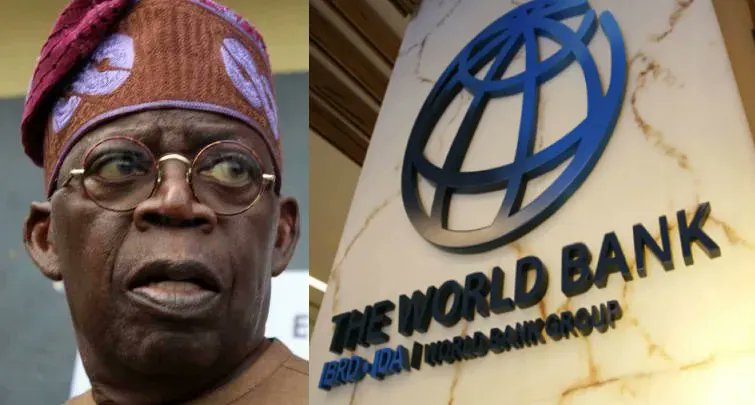
Nigeria’s long-troubled electricity sector suffered another major setback after the World Bank reportedly terminated approximately $717.7 million in intervention funding intended to support reforms and infrastructure improvements across the country’s power industry. The cancellation follows persistent concerns surrounding implementation failures, financial mismanagement, and corruption allegations that have repeatedly undermined efforts to stabilize electricity supply in Africa’s largest economy.
For decades, Nigeria’s power sector has struggled with chronic underinvestment, outdated infrastructure, weak transmission networks, and inconsistent policy execution despite billions of dollars allocated toward reform initiatives. Millions of Nigerians continue to rely heavily on private generators due to unreliable national electricity supply, creating enormous economic pressure on households and businesses alike.
The World Bank’s decision sends a strong signal regarding growing international frustration over governance issues tied to public infrastructure financing. Development institutions increasingly demand measurable accountability, transparency, and implementation benchmarks before continuing large-scale funding commitments. Analysts warn that losing such substantial support could delay modernization efforts at a time when Nigeria urgently requires stable electricity to support industrial growth, digital expansion, and economic competitiveness.
The situation also reignites debate over systemic corruption within strategic sectors of the Nigerian economy. Critics argue that repeated intervention failures reflect deeper structural problems involving policy inconsistency, procurement irregularities, and weak institutional oversight. Without significant reform, experts fear Nigeria may continue struggling to unlock the full economic potential of reliable national power generation.
