
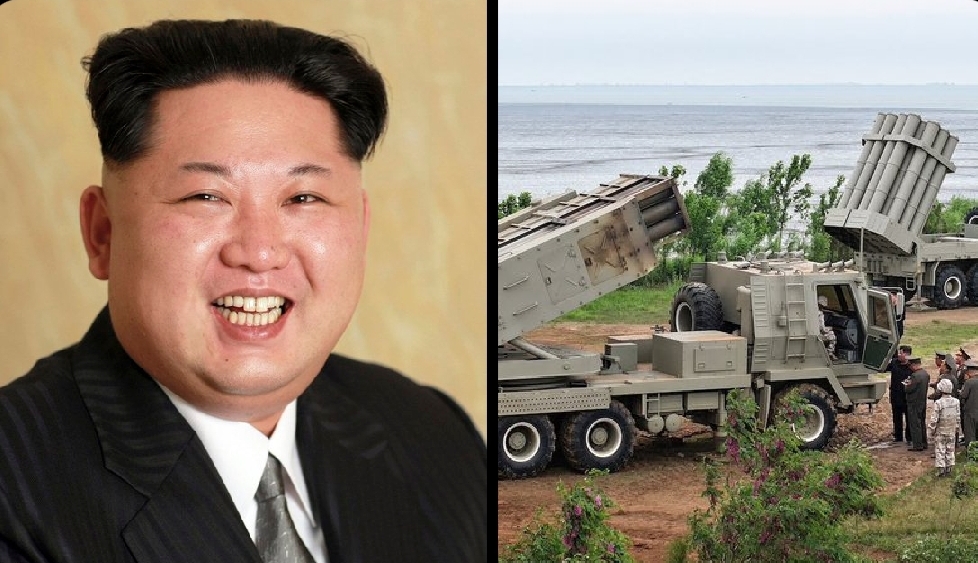
Global security analysts are raising concerns after North Korea reportedly tested a new generation of AI-guided missiles and artillery rocket systems designed for modern battlefield warfare, marking a potentially significant evolution in the country’s military technology capabilities.
The tests indicate that Pyongyang is increasingly pursuing artificial intelligence integration within weapons systems, reflecting a broader global trend where autonomous targeting, machine-assisted navigation, and real-time battlefield analytics are becoming central to next-generation military strategies. AI-guided systems can theoretically improve strike precision, reduce human response times, and adapt to rapidly changing combat conditions far more efficiently than conventional systems.
Military experts say the development is particularly alarming because North Korea has traditionally relied on large conventional artillery stockpiles and ballistic missile deterrence rather than highly advanced intelligent warfare technologies. The introduction of AI-assisted weapon systems could therefore represent a major modernization effort aimed at offsetting technological disadvantages against more advanced military powers.
The tests also highlight how artificial intelligence is rapidly transforming global defense competition. Nations including the United States, China, and Russia have already invested heavily in AI-driven military systems ranging from autonomous drones to predictive battlefield software. North Korea’s apparent progress suggests that even heavily sanctioned states are finding ways to pursue emerging military technologies despite economic isolation.
Regional tensions on the Korean Peninsula remain highly sensitive, with neighboring countries closely monitoring Pyongyang’s weapons advancements. Security observers warn that AI-powered weapons could complicate crisis management because faster automated systems may reduce decision-making windows during military confrontations, increasing the risks of rapid escalation.
Beyond the immediate regional implications, the development reflects a larger global reality: artificial intelligence is no longer confined to civilian innovation or commercial products. It is increasingly becoming a defining component of 21st-century military power, reshaping how future conflicts may be fought across land, sea, air, cyber, and space domains.
