
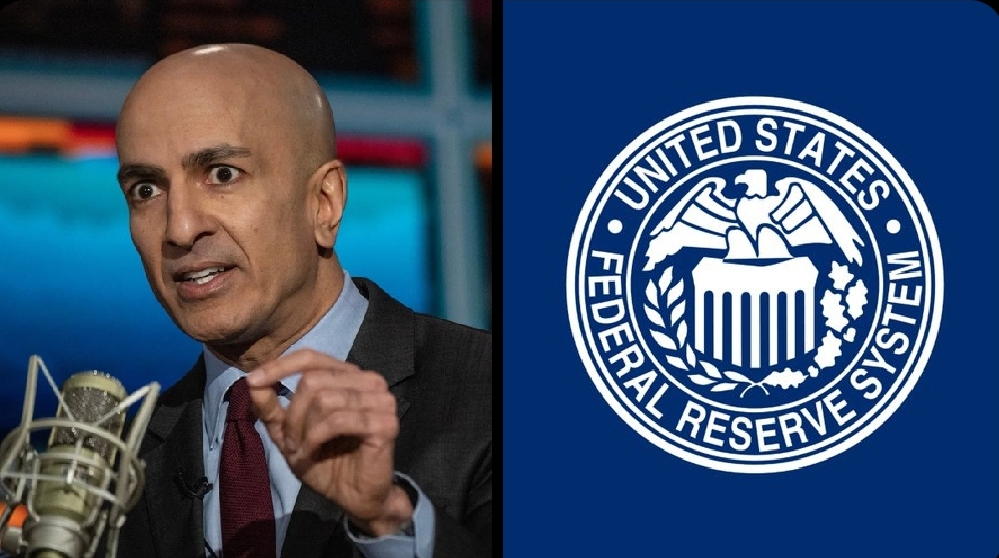
Fresh concerns over global inflation have emerged after Neel Kashkari, president of the Federal Reserve Bank of Minneapolis, warned that the economic shockwaves generated by escalating Middle East conflict could last far longer than policymakers initially expected.
Kashkari’s remarks reflect growing anxiety within financial circles that geopolitical instability is beginning to evolve into a structural inflation risk rather than a temporary market disruption. Historically, wars and major regional conflicts often trigger price increases by disrupting energy supplies, shipping routes, manufacturing chains, and investor confidence. However, the interconnected nature of today’s global economy means modern conflicts can spread economic consequences much faster and more broadly.
One of the largest concerns remains oil prices. The Middle East continues to play a central role in global energy production, and any sustained instability affecting transport routes or production capacity can rapidly increase fuel costs worldwide. Rising energy prices then ripple across industries including transportation, agriculture, retail, aviation, and manufacturing.
Kashkari’s warning is especially significant because central banks around the world have spent years attempting to control inflation following pandemic-era economic disruptions. A fresh geopolitical inflation surge could complicate interest rate policies, weaken consumer purchasing power, and slow global economic growth simultaneously.
Markets are now increasingly focused on whether ongoing tensions will remain contained or escalate into broader regional instability capable of prolonging supply chain stress for months or even years. Investors, businesses, and policymakers alike understand that inflation is not merely a domestic issue anymore — it is increasingly shaped by international security events unfolding thousands of miles away
