
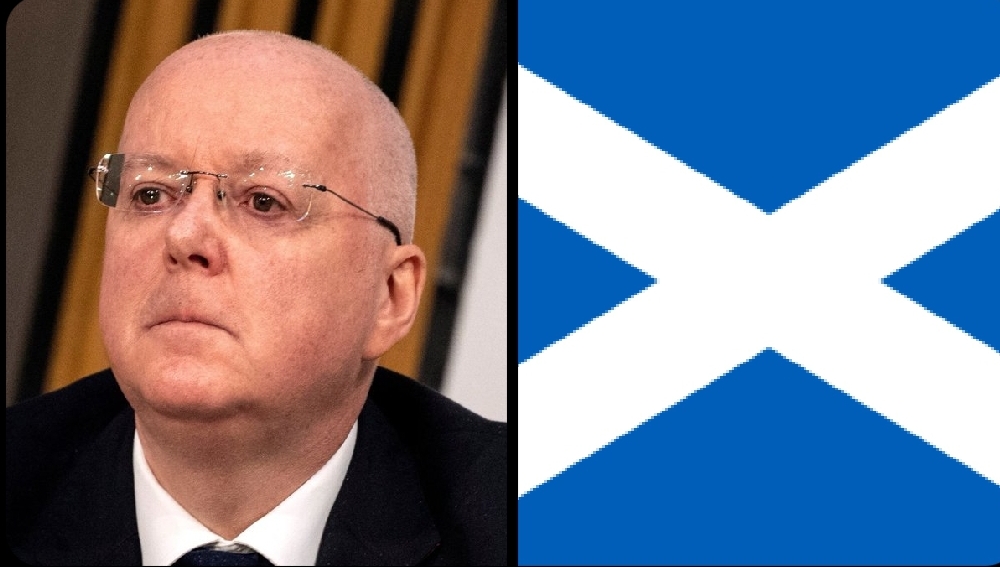
Political shockwaves spread across Scotland after former Scottish National Party chief executive Peter Murrell pleaded guilty to embezzling approximately $540,000, marking one of the most damaging controversies in the modern history of the SNP.
Murrell, who played a central role in the party’s organizational leadership for years, now faces sentencing scheduled for June 23 after being remanded into custody. The case has drawn enormous public attention because of Murrell’s close association with the upper ranks of Scottish politics and the broader independence movement that has shaped national political identity for over a decade.
The scandal has intensified scrutiny over party finances, internal oversight, and leadership accountability at a time when the SNP is already facing mounting political pressure and declining public confidence following years of dominance in Scottish governance. Critics argue the case could undermine trust in the party’s transparency while opponents of Scottish independence may use the controversy to challenge the movement’s credibility.
For many observers, the guilty plea represents more than an isolated criminal matter — it symbolizes a broader crisis of confidence within one of the United Kingdom’s most influential political organizations. The outcome of the sentencing and its long-term political consequences may reshape Scotland’s political landscape heading into future elections and constitutional debates.
