
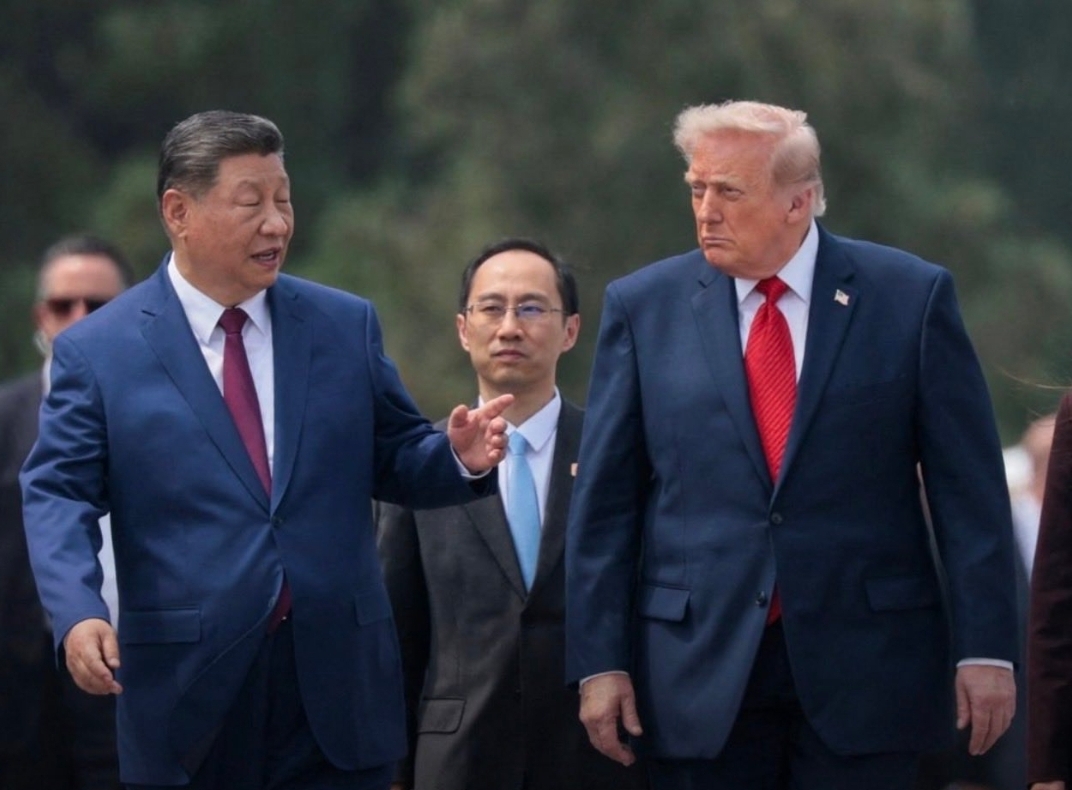
In a significant development for global economics, the United States and China have reached an agreement to implement reciprocal tariff reductions, signaling a potential thaw in one of the most consequential trade rivalries of the modern era. The deal represents a rare moment of cooperation between the world’s two largest economies after years marked by escalating tariffs, supply-chain tensions, and technological competition.
The agreement reportedly includes China increasing purchases of American-manufactured aircraft while Washington guarantees continued supply of aircraft engines and essential aviation components. The arrangement effectively reconnects critical industrial sectors that had been strained by trade restrictions introduced during earlier phases of the U.S.–China trade conflict. Economists interpret the move as a pragmatic recognition by both governments that prolonged economic confrontation carries heavy costs for manufacturing growth, global inflation stability, and international investment confidence.
Trade tensions intensified during earlier tariff wars, when both nations imposed duties on hundreds of billions of dollars’ worth of goods, disrupting global supply chains and forcing multinational corporations to rethink production strategies. By lowering tariffs reciprocally, policymakers appear to be pursuing stabilization rather than full economic reconciliation, aiming to rebuild predictable trade flows without abandoning strategic competition.
The aviation component of the deal is particularly significant because aircraft manufacturing depends on deeply interconnected international supply networks. China remains one of the fastest-growing aviation markets, while American aerospace firms rely heavily on foreign orders to sustain production capacity and employment. Ensuring engine and parts supply not only strengthens commercial aviation cooperation but also signals renewed willingness to protect industries viewed as mutually beneficial despite broader geopolitical rivalry.
Market analysts have described the agreement as a bullish signal for global trade sentiment, suggesting that both countries recognize the need for selective collaboration even as competition continues in technology, security, and regional influence. While the deal does not eliminate underlying strategic tensions, it marks an important step toward economic stabilization at a time when global markets remain sensitive to geopolitical uncertainty. If successfully implemented, the tariff reductions could ease pressure on international supply chains, encourage investment recovery, and restore a measure of predictability to the world economy.
