
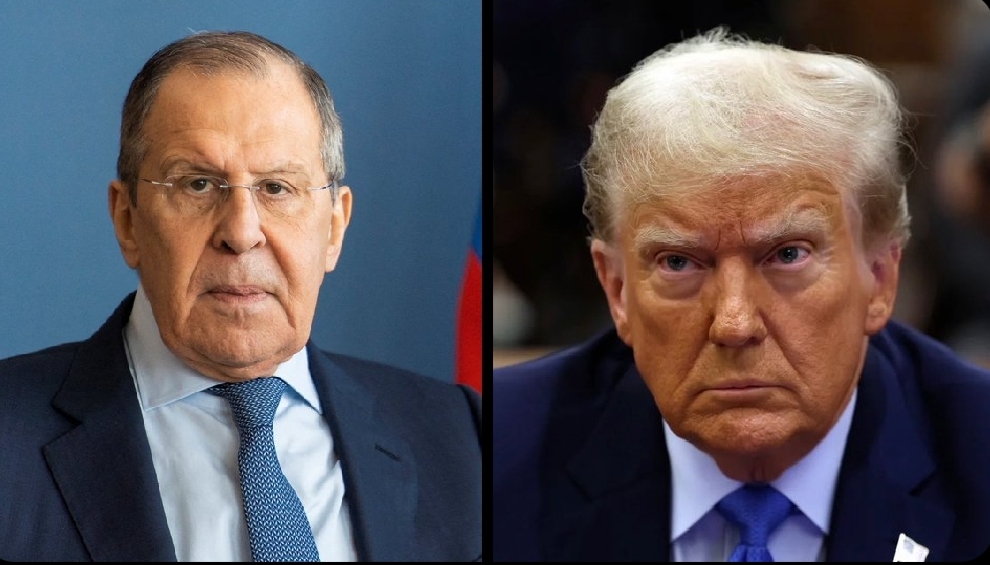
Russian Foreign Minister Sergey Lavrov has delivered a sharp assessment of the United States’ position in the ongoing confrontation involving Iran, arguing that Washington appears uncertain about how to exit the crisis. His remarks come amid continued geopolitical tensions in the Middle East, where ceasefire efforts, diplomatic negotiations, and military calculations continue to collide.
Lavrov’s comments reflect Moscow’s longstanding criticism of U.S. foreign policy in the region. Russian officials have repeatedly argued that Western intervention has contributed to instability and prolonged conflicts rather than resolving them. His latest remarks suggest that the current situation involving Iran has evolved beyond what Washington initially anticipated, leaving policymakers searching for a sustainable path forward. Russia has consistently positioned itself as a key diplomatic actor in Middle Eastern affairs and has maintained close strategic relations with Tehran over the years.
The broader regional picture remains highly complex. Despite multiple diplomatic initiatives and ceasefire proposals, violence and political tensions continue to challenge efforts aimed at de-escalation. Analysts note that any prolonged confrontation involving Iran carries implications for global energy markets, maritime security, and international trade routes. Lavrov’s statement is likely to resonate among governments critical of U.S. policy while simultaneously adding another layer to the increasingly complicated diplomatic battle surrounding the future of Middle Eastern security.
