
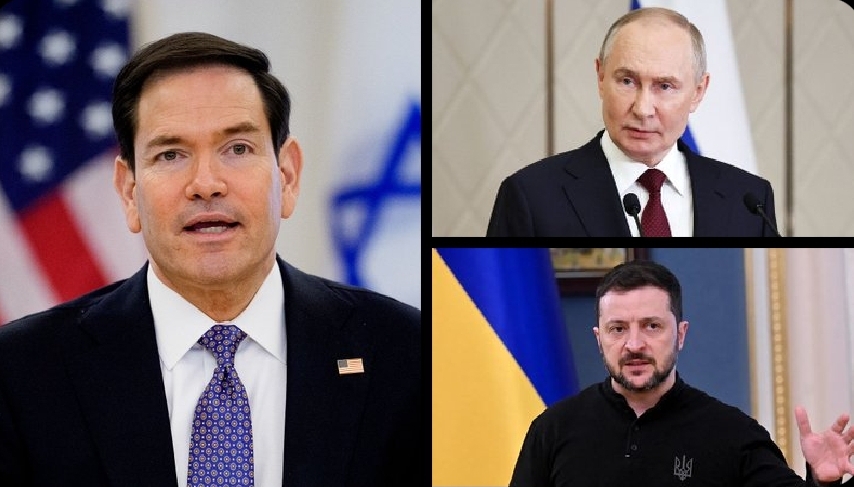
U.S. Secretary of State Marco Rubio has delivered a striking assessment of the Russia-Ukraine war, stating that Russian forces are currently losing five times as many soldiers per month as Ukrainian troops. In an interview with Sean Hannity on Fox News conducted while visiting China on May 14, 2026, Rubio highlighted the heavy human toll on Moscow’s military and praised the remarkable evolution of Ukraine’s armed forces amid more than three years of intense fighting. According to Rubio, the disparity in monthly casualties is significant, with Russian losses estimated at 15,000 to 20,000 soldiers killed — not merely wounded — each month. He described this sustained rate of attrition as extraordinarily damaging to both Russia’s military capabilities and its broader economy.
Despite Ukraine’s smaller population and overall force size, Rubio declared that the Ukrainian Armed Forces have become the strongest and most combat-effective military in Europe today, crediting their adaptability, battlefield innovations, and integration of modern technologies such as drones, robotics, and asymmetrical warfare tactics.
This assessment aligns with longstanding U.S. intelligence evaluations of the conflict, though exact casualty figures remain difficult to verify independently due to the fog of war and differing claims from both sides. Ukraine has leveraged Western-supplied equipment alongside its own rapid innovations in drone warfare, electronic countermeasures, and small-unit tactics to inflict disproportionate losses on a larger invading force. What began as a desperate defense against a full-scale invasion in 2022 has transformed into a highly experienced, battle-hardened military that continues to evolve under pressure.
For Russia, the ongoing high casualty rates compound existing challenges including manpower shortages, economic sanctions, and industrial strain. President Vladimir Putin has turned to aggressive recruitment, prisoner amnesties, and external partnerships to sustain operations, yet Western observers note that the long-term costs continue to mount. Russian forces have made slow, incremental gains in parts of eastern Ukraine, but at a price that Rubio suggests may become increasingly unsustainable.
The comments arrive at a sensitive moment in the conflict under the current U.S. administration, which has emphasized the need for diplomatic solutions and more efficient use of resources rather than open-ended military commitments. While no major new aid packages have recently advanced, Rubio’s remarks underscore Ukraine’s resilience and could influence discussions around future support, negotiation leverage, and European defense strategies. As the war enters its fifth year, the human cost on both sides remains devastating.
Rubio’s statements serve as a reminder of Ukraine’s transformation into a formidable fighting force through necessity and ingenuity, even as questions linger about how long each side can endure the current trajectory. Analysts continue to watch closely for any shifts toward meaningful peace talks, with casualty ratios likely playing a key role in shaping the diplomatic landscape ahead. Global markets, energy prices, and NATO defense spending may also feel the ripple effects of these battlefield dynamics in the months to come.
