
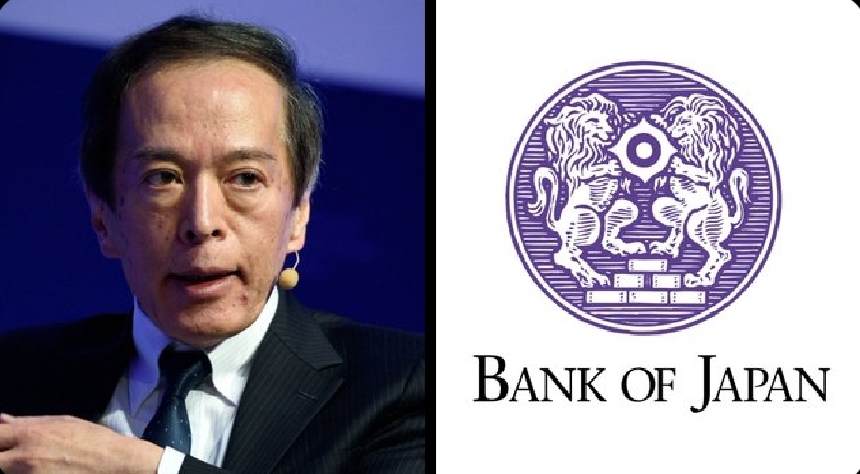
Japan may be preparing for one of the most significant monetary policy shifts in decades, with the Bank of Japan (BOJ) widely expected to raise interest rates later this month. The move comes as inflationary pressures continue to build across the country, fueled by rising energy costs, a weakening yen, and growing concerns that price increases are becoming entrenched in the economy. Markets are currently pricing in a strong probability that policymakers will raise the benchmark rate from 0.75% to 1.0%, a level Japan has not seen since the mid-1990s.
For years, Japan stood out among major economies for maintaining ultra-low interest rates in an effort to stimulate growth and combat deflation. However, the economic environment has changed dramatically. Governor Kazuo Ueda has increasingly shifted his focus toward inflation control, warning that delaying action could allow rising prices to become more difficult to manage. The prospect of higher rates has already attracted global attention because Japanese investors are among the largest holders of foreign assets.
A rate increase could encourage capital to flow back into Japan, potentially affecting bond markets, stock markets, and currencies worldwide. If implemented, the decision would mark another major step in Japan’s transition away from decades of extraordinary monetary stimulus and toward a more conventional central banking approach.
