
Table of Contents
Exploring Earth’s Most Frigid Regions: The Coldest Places Few Dare to Visit
Our world is a stunning mosaic of diverse ecosystems, climates, and terrains. Yet, scattered across the globe are remote areas where temperatures plunge to such extreme lows that survival becomes a formidable challenge. While many evaluate locations based on their comfort or practicality, one of the most striking ways to identify Earth’s harshest environments is by their bone-chilling cold.
Unveiling the Planet’s Most Icy Frontiers
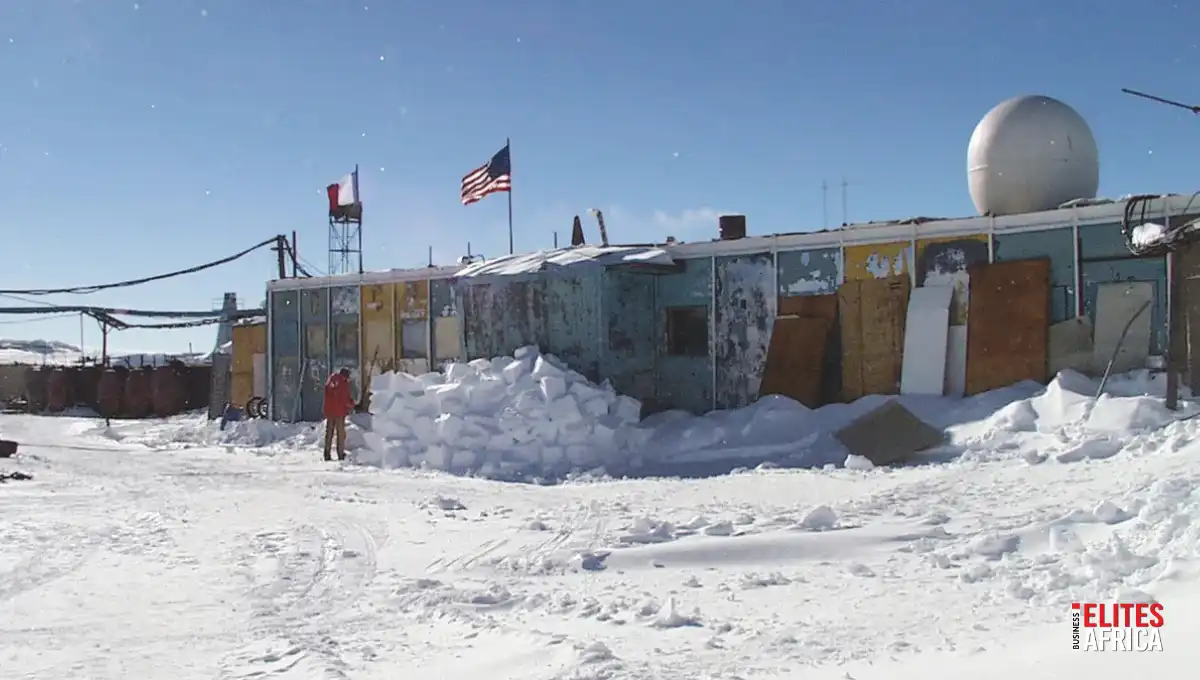
From the vast polar ice caps to isolated mountain valleys, some regions experience temperatures that defy human endurance. These frigid zones are not only natural wonders but also critical indicators of our planet’s climatic extremes. For instance, Antarctica holds the record for the lowest temperature ever recorded on Earth, dipping below -128.6°F (-89.2°C) at the Soviet Vostok Station in 1983.
Antarctica: The Ultimate Cold Desert
Covering nearly 14 million square kilometers, Antarctica is the coldest, driest, and windiest continent. Despite its harshness, it supports unique ecosystems adapted to the cold, such as resilient microbial life and specially adapted penguin species. The continent’s average winter temperatures hover around -60°F (-51°C), with coastal areas slightly milder but still inhospitable.
Siberia’s Oymyakon: The Coldest Inhabited Place on Earth
In the heart of Russia’s Sakha Republic lies Oymyakon, often dubbed the coldest permanently inhabited settlement worldwide. Winter temperatures here routinely drop below -50°F (-45°C), with a record low of -90°F (-67.7°C) recorded in 1933. Despite the brutal cold, a small community endures, adapting their lifestyle and infrastructure to withstand the relentless freeze.
Greenland’s Ice Sheet: A Frozen Giant
Greenland’s massive ice sheet, covering roughly 1.7 million square kilometers, experiences severe cold, especially during winter months when temperatures can fall below -40°F (-40°C). This icy expanse plays a crucial role in global climate regulation and sea-level rise, making it a focal point for climate scientists worldwide.
Why These Cold Extremes Matter
Understanding these frigid environments is vital not only for scientific research but also for grasping the broader impacts of climate change. Recent studies indicate that polar regions are warming at twice the global average rate, threatening the delicate balance of these ecosystems. For example, the Arctic has seen a temperature increase of approximately 3°F (1.7°C) over the past 50 years, accelerating ice melt and altering weather patterns globally.
Adapting to the Cold: Human and Wildlife Resilience
Despite the severe conditions, both humans and wildlife have developed remarkable adaptations. Indigenous communities in the Arctic, such as the Inuit, have honed survival techniques over millennia, including specialized clothing and hunting methods. Similarly, animals like the Arctic fox and snow owl possess insulating fur and feathers, enabling them to thrive where few others can.
Conclusion: The Allure and Challenge of Earth’s Coldest Realms
While these icy territories are inhospitable to most, they offer invaluable insights into the planet’s climate system and the resilience of life. Though few will ever set foot in these frozen frontiers, their existence reminds us of Earth’s incredible diversity and the ongoing need to protect these fragile environments amid a changing climate.
