
Table of Contents
Understanding the Replacement of Wale Edun as Nigeria’s Finance Minister
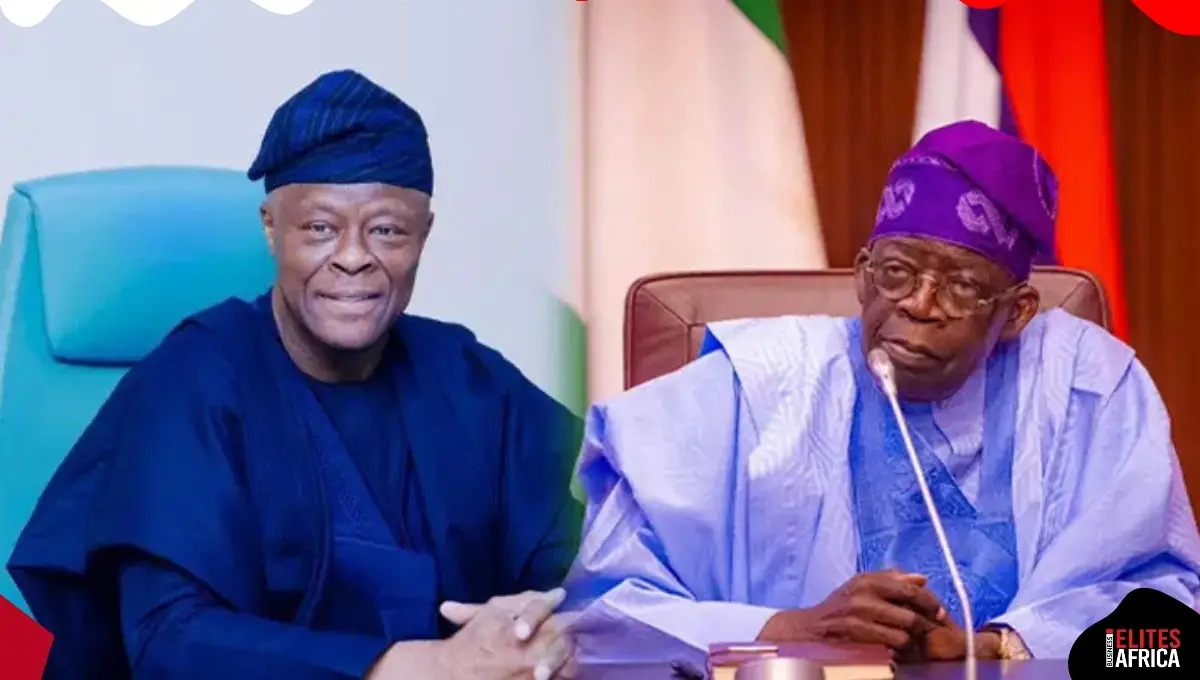
On April 21, 2026, President Bola Tinubu initiated a significant cabinet reshuffle that saw the removal of Wale Edun from his position as Nigeria’s Minister of Finance, with Taiwo Oyedele stepping into the role. This move has sparked widespread discussion across political circles and among the public, raising questions about the motivations behind the change and its potential impact on Nigeria’s economic trajectory.
Context Behind the Cabinet Reshuffle
The official statement from the Presidency emphasized that the reshuffle aimed to enhance governmental coordination and boost the efficiency of policy implementation. In a country grappling with complex economic challenges-including inflation rates hovering around 18% as of early 2026 and fluctuating oil revenues-streamlining leadership roles is seen as a strategic step to accelerate reforms and fiscal management.
Analyzing the Shift in Financial Leadership
Wale Edun’s tenure was marked by efforts to stabilize Nigeria’s economy amid global uncertainties, including supply chain disruptions and currency volatility. However, some analysts argue that the administration sought fresh perspectives to tackle persistent issues such as revenue diversification and public debt management. Taiwo Oyedele, known for his expertise in economic policy and previous roles in financial institutions, is expected to bring innovative approaches to these challenges.
New Directions and Expectations
With Oyedele at the helm, the government is anticipated to prioritize reforms in tax collection, improve transparency in budget execution, and strengthen partnerships with international financial bodies. For instance, Nigeria’s recent engagement with the International Monetary Fund (IMF) underscores the need for robust fiscal policies to secure funding and investor confidence.
Political Implications and Public Perception
The decision to replace Edun also reflects broader political dynamics within the ruling party and the administration’s desire to consolidate support ahead of upcoming elections. Public reactions have been mixed, with some citizens welcoming the change as a chance for renewed economic vigor, while others express concern over potential disruptions in ongoing projects.
Comparative Examples from Other Nations
Similar cabinet reshuffles have occurred in other emerging economies facing economic headwinds. For example, in 2024, Kenya appointed a new finance minister to spearhead reforms aimed at curbing fiscal deficits and enhancing economic resilience, illustrating a common strategy among governments to adapt leadership in response to evolving economic landscapes.
Conclusion: What Lies Ahead for Nigeria’s Economy?
President Tinubu’s decision to appoint Taiwo Oyedele as the new finance minister signals a strategic pivot in Nigeria’s economic management. While the full impact of this change will unfold over time, the move underscores the administration’s commitment to revitalizing the economy through improved governance and policy innovation. Stakeholders will be closely monitoring how these leadership adjustments translate into tangible economic outcomes in the months and years ahead.
